

TraceGPT - Best Tool for Detecting AI-Generated Content
AI is everywhere now. You can’t scroll Twitter (sorry, “X”) without bumping into another shiny AI tool that promises to write your blog posts, emails, even your apology letters to your boss.
And hey, I get it. Tools like ChatGPT, Claude, and all those cousins are good—sometimes too good. But here’s the sticky part: if everyone’s churning out AI-generated text, how do you know what’s real?
That’s where AI content detectors step in. And today, I’m diving into one in particular: TraceGPT.
I’ve tested it, broken it, compared it to others, and honestly—it’s one of the better tools out there right now if you care about detecting AI-generated content (and trust me, you should).
Let’s unpack this.
TraceGPT: What It Actually Is
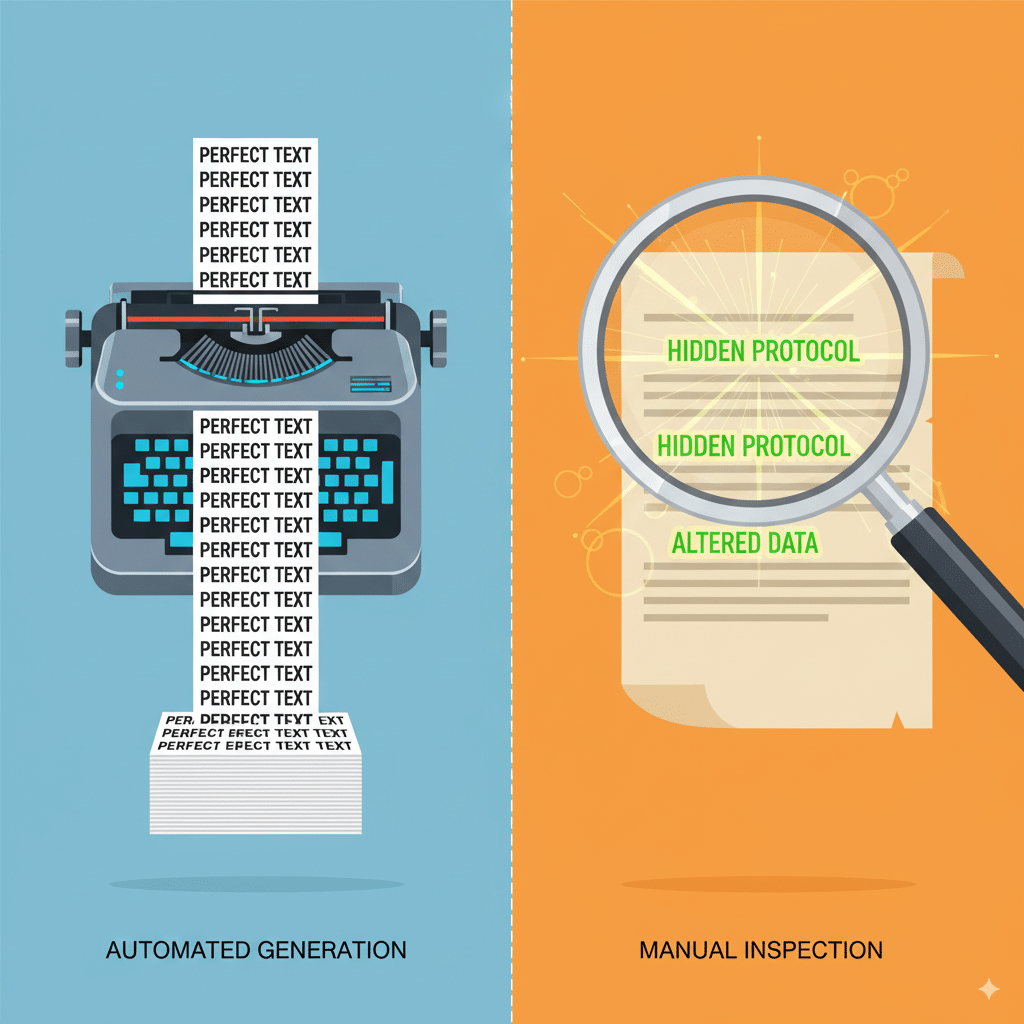
Alright, first things first: TraceGPT is basically a tool built to detect AI-generated text. Think of it like a plagiarism checker but instead of catching copy-paste, it catches “ChatGPT-ese” (yeah, you know the style—too smooth, too perfect, weirdly robotic when you read it out loud).
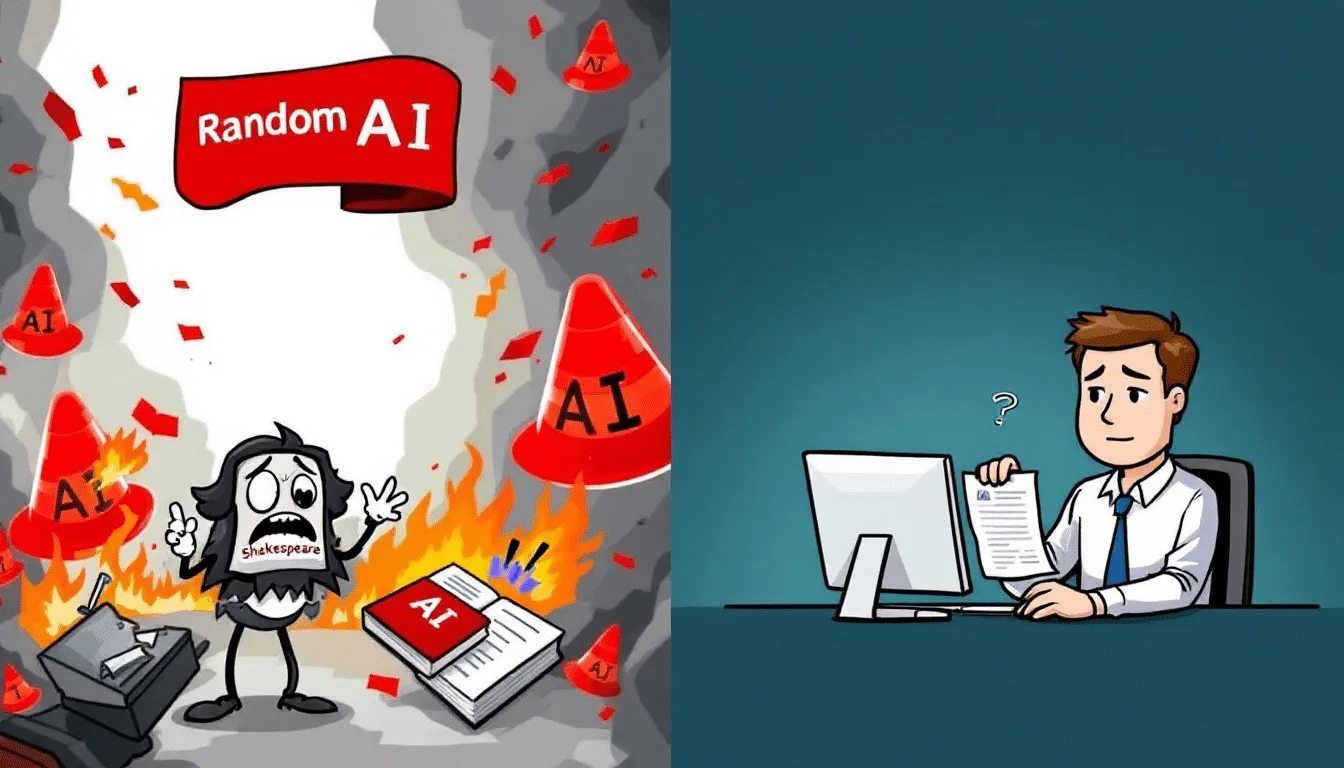
Unlike some random “AI detectors” that scream false positive every time you paste in a Shakespeare quote, TraceGPT has been designed to actually give you detailed reports and tell you what parts of the text smell suspiciously like they were spat out by an AI.
👉 Quick plug: you can check out the official site here if you want to see what I mean: TraceGPT.
Side note: the first time I ran one of my own blog posts through it, it flagged me as an AI. Ouch. But when I dug into the report, I realized it was just the structured formatting I use. Point is—it’s not perfect, but it’s a hell of a lot better than many free tools floating around.
AI Generated Content: Why We Even Care
Okay, let’s pause. Why is everyone so obsessed with “AI detection”?
Because AI-generated content is sneaky. It looks human-written, it sounds natural, but it has a vibe.
If you’ve been writing for years, you can smell it: the too-polished writing style, the repetitive structures, the way it avoids controversial statements like it’s allergic to opinions.
The danger? AI-generated text can creep into academic papers, business reports, or even news articles. And if no one detects it, it’s game over for academic honesty and original work.
Remember when plagiarism checkers first blew up because students were copying Wikipedia? This is that—on steroids.
How TraceGPT AI Detection Works (Without Boring You to Death)
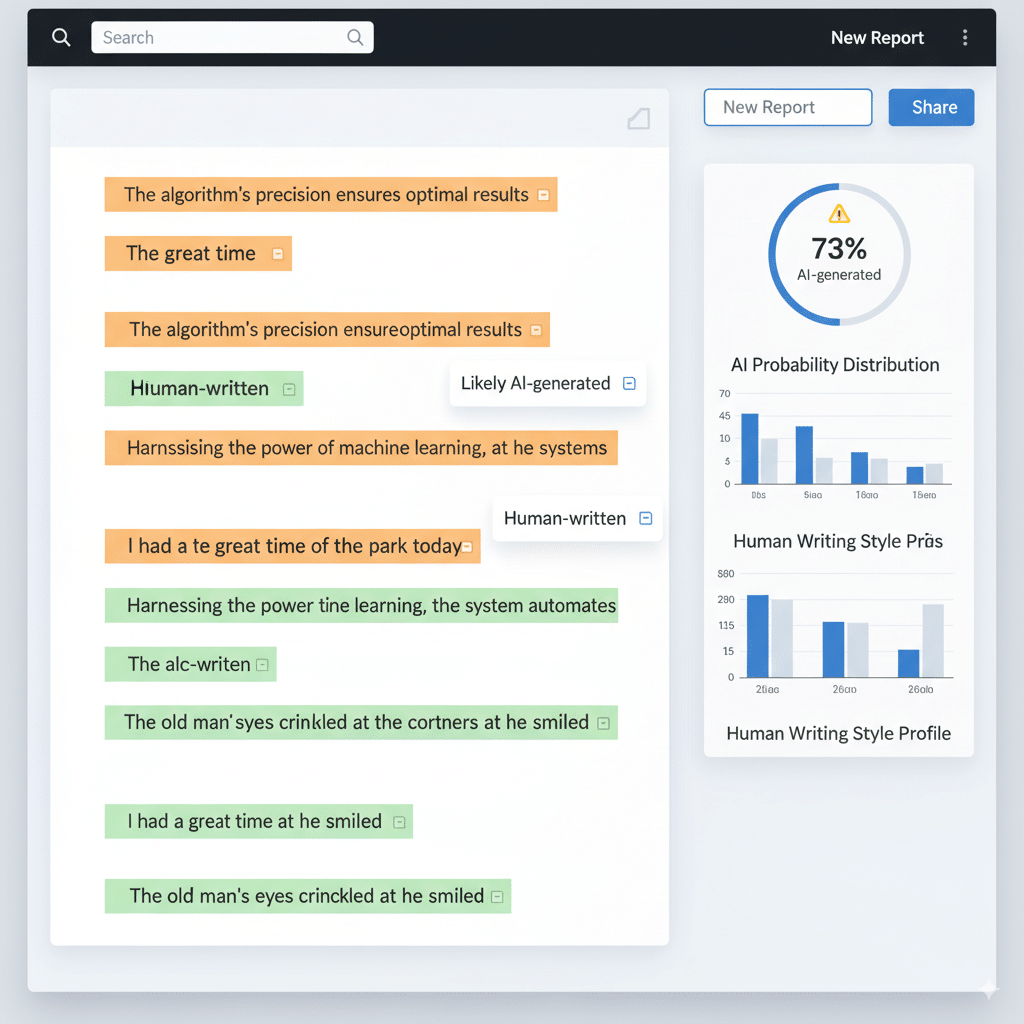
TraceGPT, specifically, works by analyzing whether text is likely AI written or human written and then spits out a detailed report. You can literally see which sentences it thinks came from an AI brain.
And bonus? It’s not just academic. You can use it for blogs, websites, everyday browsing, even checking a dodgy freelancer’s “original” article.
Why I Think TraceGPT Beats Other AI Detectors
I’ve tested a bunch of tools—some good, some laughably bad. The so-called free AI detectors often freak out and highlight every sentence like a crime scene. TraceGPT feels… calmer. More accurate.
Here’s why I rate it:
And let me tell you—if you’re in content marketing, nothing’s worse than realizing a writer you paid $200 for an article just ran ChatGPT and pressed “copy-paste.” TraceGPT saves you from that headache.
AI Plagiarism vs Regular Plagiarism
This is a fun one. People confuse AI plagiarism with normal plagiarism. They’re not the same.
That’s why you need a separate AI detector like TraceGPT.
Side rant: I once had a client send me a “100% plagiarism-free” article that was clearly AI-generated. It passed Copyscape, sure—but it read like Siri’s attempt at a blog. Without TraceGPT, I wouldn’t have had proof.
Detects AI: Practical Scenarios
So, who actually needs this? Here are a few:

I’ve even used it casually during everyday browsing. Once I suspected a “news article” on Medium was AI-generated. Ran it through TraceGPT—yep, flagged. Saved me from sharing nonsense.
TraceGPT in Action (My Opinionated Take)
I ran a few tests. Here’s what happened:
So yeah, TraceGPT isn’t flawless, but compared to tools like GPTZero (which, sorry, often panics too much), it feels more reliable.
Check it out here: TraceGPT Official.
AI Writing: Future Headaches
Let’s be blunt: AI writing tools aren’t going anywhere. They’ll get better at mimicking humans. Which means AI detectors like TraceGPT will need to level up constantly.
I think in the next couple of years, we’ll see:
And yeah, some people will keep trying to “game the system.” But honestly? Tools like TraceGPT make it harder for them to slip through.
FAQs About TraceGPT (Because Everyone Loves FAQs)
1. Is TraceGPT free?
There’s a free AI detector version, but like most tools, advanced features need a subscription.
2. Can TraceGPT detect ChatGPT specifically?
Yep, it’s basically a ChatGPT detector. It’s designed to catch content generated by language models like GPT-3, GPT-4, etc.
3. How accurate is it?
Pretty solid compared to others. But no AI detector = 100% perfect. Expect the occasional false positive.
4. Can I use it for plagiarism detection?
Yes—it doubles as a plagiarism checker, which is handy if you’re an editor.
5. Who should use TraceGPT?
Students, content marketers, editors, teachers, businesses—basically anyone who cares about originality and academic integrity.
6. Does it work on blogs and websites?
Absolutely. You can paste text from blogs, web texts, news articles, whatever.
7. What makes TraceGPT better than other detectors?
I’d say the detailed reports and fewer false alarms make it stand out.
Final Thoughts
AI writing is amazing—I use it, you probably use it—but trust is currency. Whether you’re a student, a business, or a content marketer, you can’t afford to pass off AI-generated text as human written.
That’s why AI detection matters. And right now, TraceGPT is one of the most reliable tools I’ve tested for the job.
No, it’s not perfect. Yes, sometimes it’ll flag your clean human writing. But compared to others, it’s accurate, easy, and actually useful.
And hey, if you’re reading this and wondering if I wrote this myself—run it through TraceGPT. Let’s see what it says. 😉
