

Essential Backlinking Strategies for Boosting Your SEO Success
Okay, let’s talk backlinks. You know, those little blue underlined magic words that everyone keeps obsessing about in SEO groups.
Some people treat backlinks like Pokémon—“gotta catch ‘em all”—while others are over here chanting “quality over quantity.” And honestly? They’re both kinda right, but also kinda missing the point.
Backlinking strategies are not some mythical spell you chant over your website. They’re literally about building relationships, dropping your name in the right places, and convincing search engines like Google that you’re not just some random dude yelling into the void.
I’ll walk you through 5 effective backlinking strategies that actually improve your search engine rankings and website’s authority.
And I promise—I’m not gonna serve you the boring, robotic “what is a backlink?” lecture like it’s 2012. (Although… fine, if you’re still confused, backlinks are just links pointing from other websites to yours. Done. Moving on.)
Backlinking Strategies – Why We’re Still Talking About Them
Backlinks are still one of the biggest ranking factors. Google might play coy with its algorithm updates (hello, “helpful content” rollout 👀), but backlinks remain like that one ex you just can’t quit—they always matter.
And before you start thinking “Do I really need more links?” … let me stop you. The answer is yes. Unless you’re Wikipedia, you’re not immune.
Search engine bots use these links to figure out which sites are credible and which ones are just noise. More quality backlinks = better domain authority = better search results. Period.
Side note: Not all backlinks are equal. A link from The New York Times? Chef’s kiss. A link from your cousin’s “top ten banana recipes” blog? Eh, maybe not worth bragging about.
Link Building – The Heart of the Game
I’ve said it before and I’ll say it again: link building isn’t about spamming forums or buying shady packages that promise “10,000 backlinks in 24 hours.” (Please, for the love of SEO gods, don’t do that.)
Link building is about:
If you’re still asking how many backlinks do I need?—wrong question. The better question is: How many quality links can I earn that are relevant to my niche?
Quality Backlinks vs. Trash Links
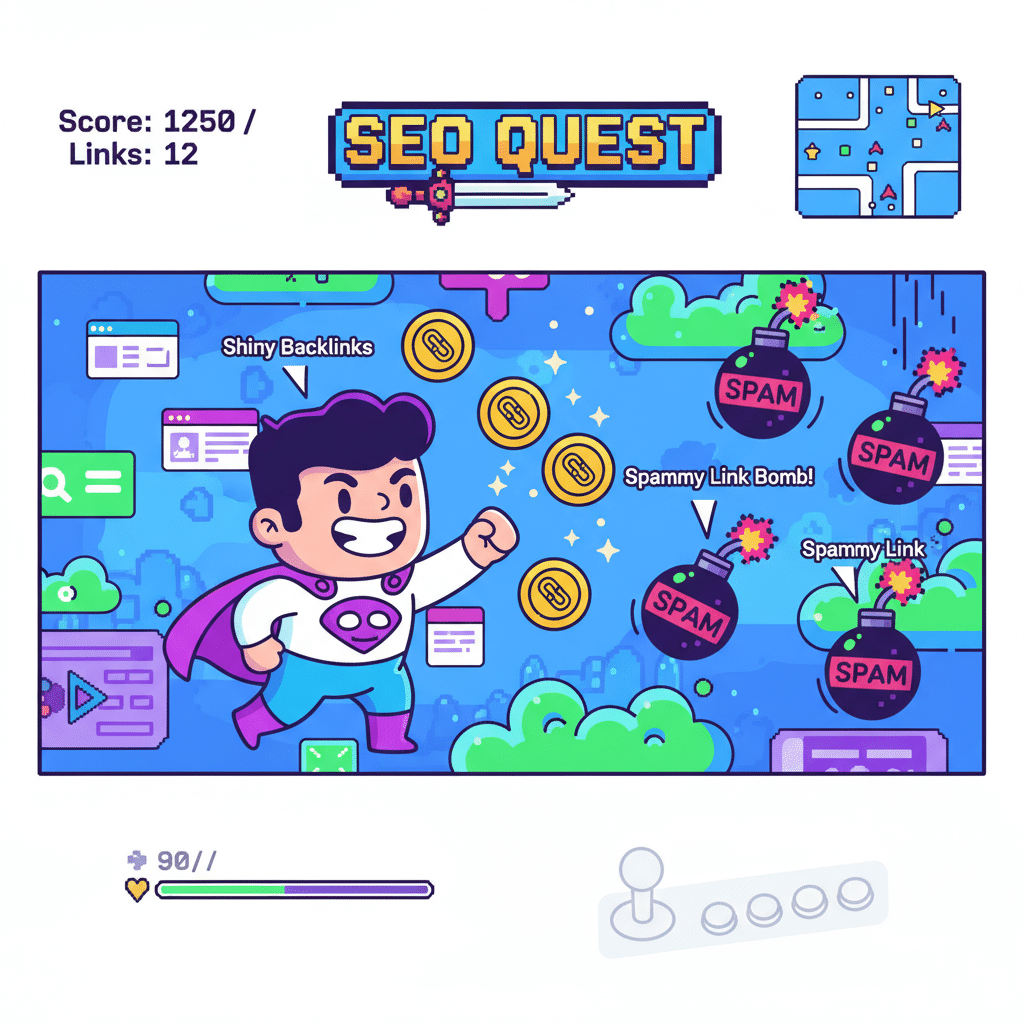
A quality backlink is one that comes from an authoritative, relevant website. It’s contextual (embedded in actual content, not stuffed in a sidebar), and it makes sense to the reader.
Bad backlinks? Those are:
If you want high quality backlinks, you need to think like a human, not like a bot. Ask yourself: Would this link help a real reader discover my website’s content? If the answer is yes, congrats—you’re on the right track.
Free Tools That Make Life Easier
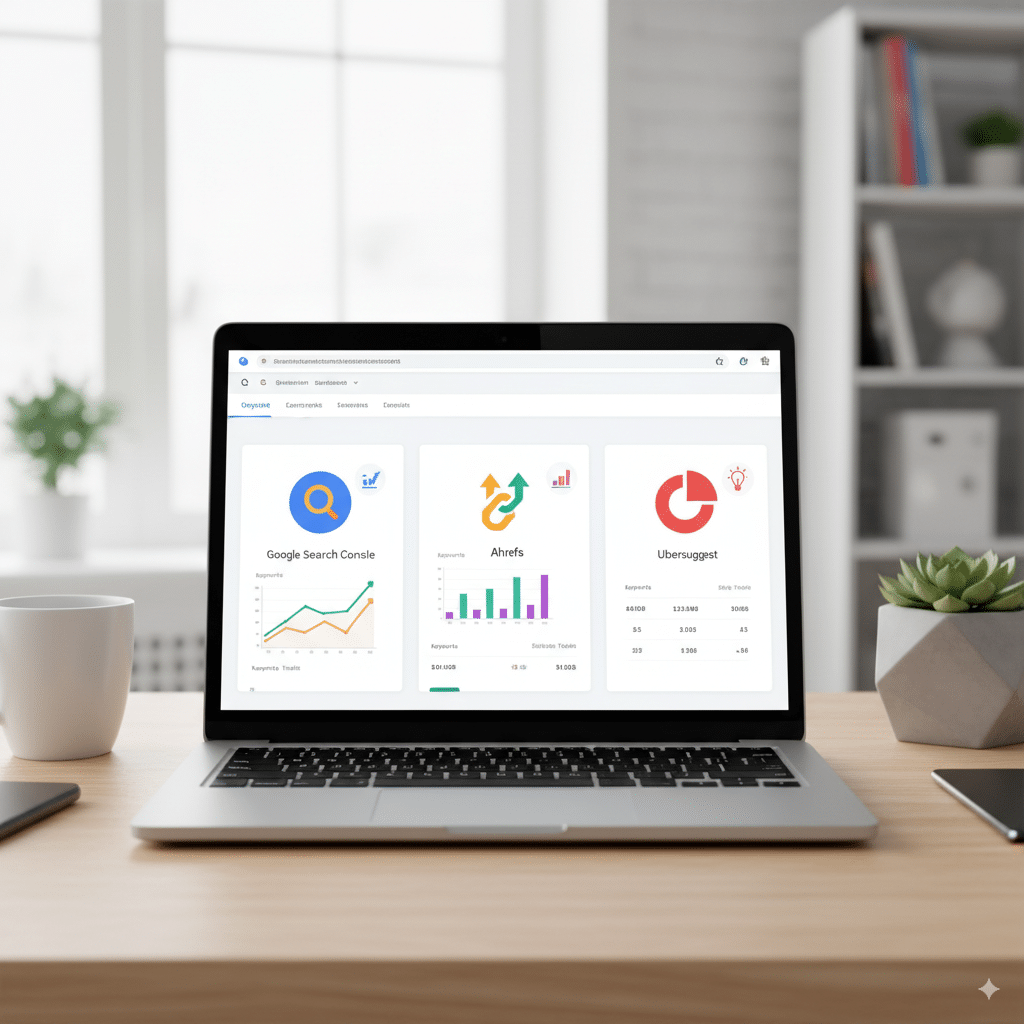
Listen, you don’t need to spend a fortune on SEO tools right away. Sure, Ahrefs, SEMrush, and Moz are like the Ferraris of backlink checkers, but let’s not pretend everyone’s got Ferrari money.
Here are some free tools I swear by:
Pro tip: Use these to track backlinks, spot broken backlinks, and figure out which blog posts are earning the most links.
Strategy #1: Guest Posting (aka the Oldie but Goldie)
Ah, guest posting. People say it’s dead. Those people are wrong. Sure, you can’t just slap a 400-word garbage article on someone’s site anymore, but high-quality guest posting is alive and kicking.
Here’s how you make it work in 2025:
- Target relevant websites in your niche (don’t pitch your cooking tips to Search Engine Journal).
- Offer legit, valuable blog posts that actually help their audience.
- Drop a dofollow link back to your site—ideally, inside the body text (contextual links are gold).
- Build relationships with site owners. Don’t just swoop in, demand a link, and ghost.
Side note: Some editors will give you a nofollow link. Don’t cry about it. Even nofollow links can drive website traffic and referral traffic. Plus, brand mentions matter too.
Strategy #2: Broken Link Building
This one’s sneaky but genius. Websites are littered with broken links (dead pages, old 404s, outdated resources). And nobody likes broken backlinks—they’re bad for user experience and bad for site owners.
So what do you do?
- Use tools like Ahrefs or Screaming Frog to find broken links on relevant pages.
- Reach out to the website owner like a helpful neighbor: “Hey, I noticed you’ve got a broken link on your resource page. I actually wrote something similar—want to link to mine instead?”
- Nine times out of ten, they’ll thank you.
It’s like recycling—but for SEO. Learn more about Google de-indexing millions of pages, what's happening, and how to recover.
Strategy #3: Resource Pages
Here’s a little gem most beginners ignore: resource pages. These are “best of” or “recommended tools” type pages. For example: “50 Free Tools Every Marketer Should Know.”
Guess what? Those curators are always looking to add more relevant content. So if you’ve got a killer article, product, or guide, pitch it to them.
Side note: Don’t just ask for a link. Tell them why your content deserves to be there. Show how it helps their readers.
Strategy #4: Anchor Text & Relevance
Alright, quick geek moment. Anchor text is the clickable text in a hyperlink. Why does it matter? Because it tells search engines what the linked page is about.
But here’s the trap: if all your inbound links use the exact same target keywords, Google thinks you’re gaming the system. Mix it up. Use branded anchor text, partial matches, even plain “click here.” Keep it natural, like a conversation.
Remember: search engines understand context better than ever.
Strategy #5: Link Worthy Content (the Lazy Genius Method)
Okay, let’s be blunt: if your content sucks, nobody’s linking to it. Period.
Want backlinks? Create link worthy content—stuff that makes people go “oh damn, I gotta share this.” Examples:
- Original research or data (think “We analyzed 1,000 blog posts…”).
- Step-by-step guides that are actually helpful.
- Infographics, videos, and visuals.
- Hot takes, opinionated blog posts (kinda like this one).
Pro tip: Pair this with outreach. Even the best content won’t magically earn links if nobody sees it. Share it with journalists, news articles, industry bloggers, and yep—even your LinkedIn connections.
Off Page SEO – Don’t Forget the Bigger Picture
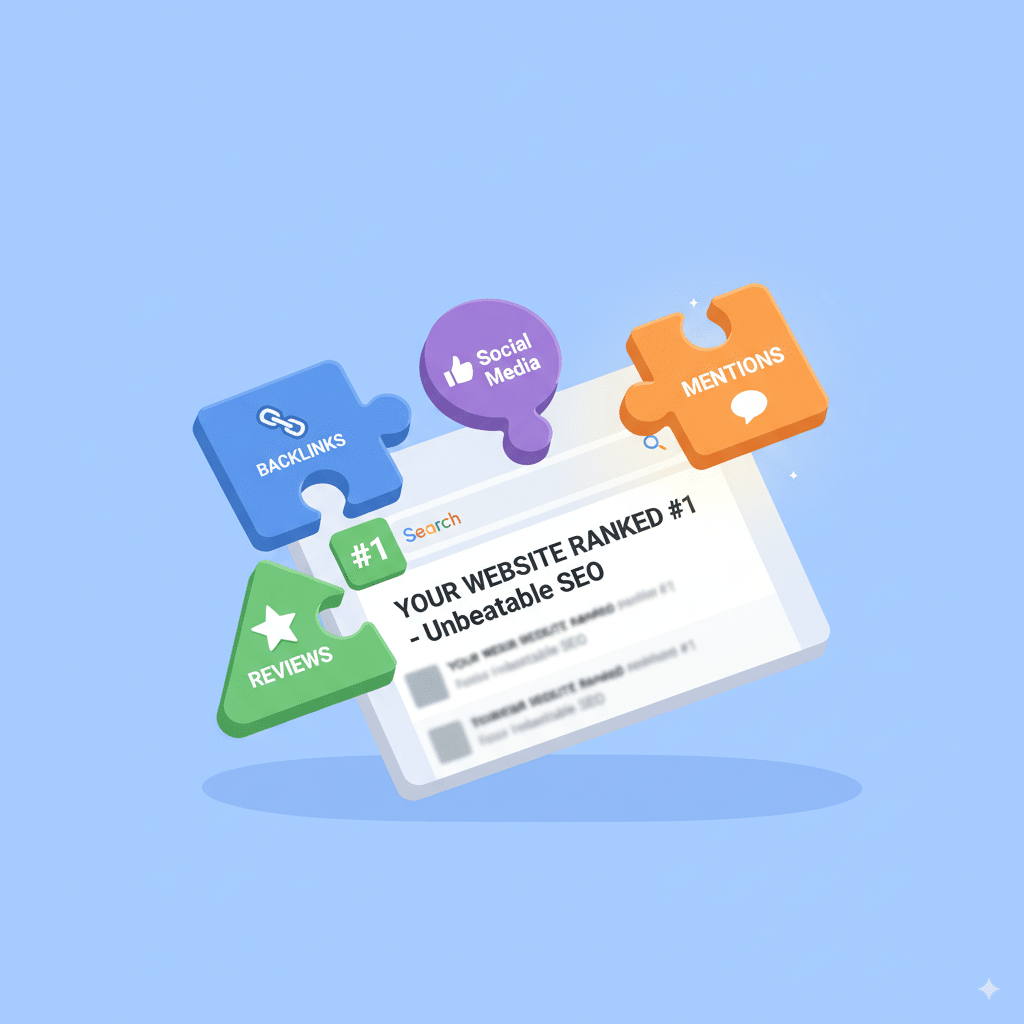
Backlinking isn’t happening in a vacuum. It’s part of your broader off page SEO strategy. That includes:
Off page SEO is like your reputation in the real world. You can have the prettiest website design, but if nobody vouches for you (with backlinks, mentions, shares), search rankings won’t budge.
Tracking Your Backlinks
Alright, so you’ve been hustling, building links, and sending those awkward cold emails. But how do you know it’s working?
You gotta track backlinks.
Look at:
Tools like SEMrush and Ahrefs are your best friends here.
SEO Strategy – Putting It All Together
Backlinks aren’t a silver bullet. You need a comprehensive SEO strategy:
Think of it like a gym routine. You can’t just do bicep curls (backlink building) and expect a full body transformation. You need the whole workout plan.
FAQs – Because I Know You’ll Ask
Q: Are backlinks still important in 2025?
A: Yep. Unless Google decides to pull a fast one and nuke the whole concept, backlinks remain a ranking factor.
Q: Do nofollow links matter?
A: They don’t pass link equity, but they still bring website traffic and brand visibility. Plus, a natural profile includes both dofollow and nofollow.
Q: How many backlinks do I need to rank?
A: It depends. Seriously. A small niche keyword might take 10 backlinks. Competitive terms? Hundreds. Focus on relevance and quality, not raw numbers.
Q: Can I buy backlinks?
A: You can. But should you? No. Google’s penalty hammer is real. Build high quality backlinks the right way.
Q: What’s the fastest way to build links?
A: Guest posting and broken link building. But the “fastest” doesn’t always mean the best.
Final Thoughts
Backlinking strategies aren’t rocket science, but they do take work. Think less about shortcuts and more about building genuine connections. Write blog posts people love. Pitch to relevant websites. Fix broken backlinks. Create link worthy content.
And honestly? Don’t overthink it. SEO is part art, part hustle. If you’re consistent, you’ll see results.
👉 Over to you: Which backlink building tactic has worked best for you—guest posting, broken link building, or just creating content so good people can’t resist linking?
