

Perfect CapCut Logo: Tips and Ideas for Your Brand
Logos matter. Like… a lot. They’re the face of your brand. And if you’re using CapCut, the wildly popular video maker application from Bytedance, you’ve probably seen their clean little CapCut logo pop up everywhere.
Now, some people are just slapping the default watermark on their TikTok edits. But if you’re serious about standing out—on YouTube, Insta, or whatever platform’s trending this week—you need a custom, polished logo. And CapCut? Honestly, it gives you a surprising amount of tools to make one.
Let’s break it all down.
CapCut Logo Basics
The CapCut logo itself is sleek: minimal black and white, kinda like an abstract bowtie. It works because it’s simple. But when you’re designing your own logo inside CapCut, the rules shift.
Here’s what I’ve learned messing around with it:

Honestly, I used to overcomplicate logos—throwing in gradients, shadows, a neon glow (ugh, don’t remind me). The truth? The clean ones win.
Custom Video Export Resolution
Here’s where CapCut’s custom video export resolution comes in handy. Why? Because your logo should look crisp whether it’s slapped on 1080p YouTube videos or a random Instagram Reel.
When you export your project:
Side note: I once exported a logo at potato quality (480p), and it looked fine on my phone but like a blurry sticker on YouTube. Learn from my embarrassment.
Basic Video Editing (Your Logo Needs It Too)
You don’t need to be an advanced video editor to create a logo in CapCut. Just stick to basic video editing tools. Seriously.
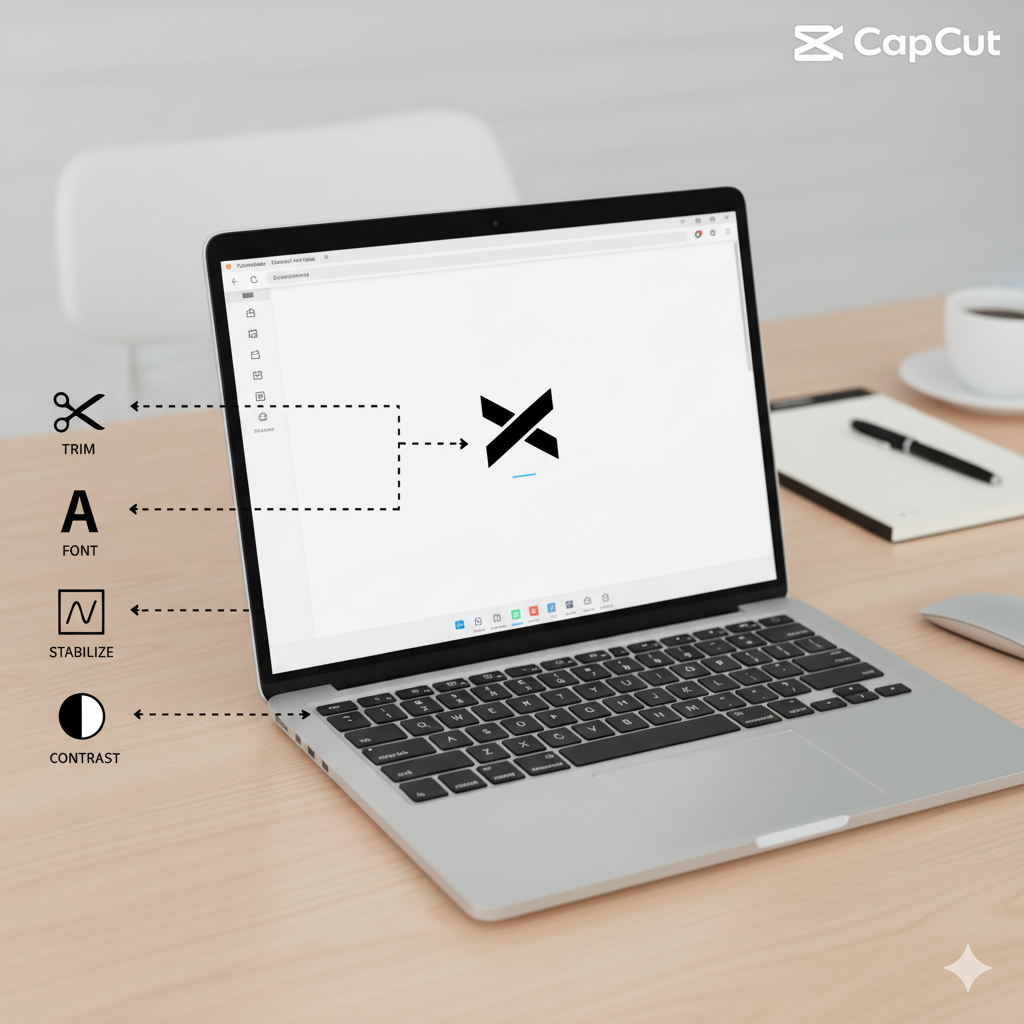
Some tricks:
And let’s not forget colors. Contrast matters. Light logo on dark video = perfect. Dark logo on light background = chef’s kiss.
Using AI Tools Inside CapCut
This is where things get spicy. CapCut isn’t just a basic HD video editor anymore—it’s loaded with AI tools.
Some fun ways I’ve used them for logo creation:
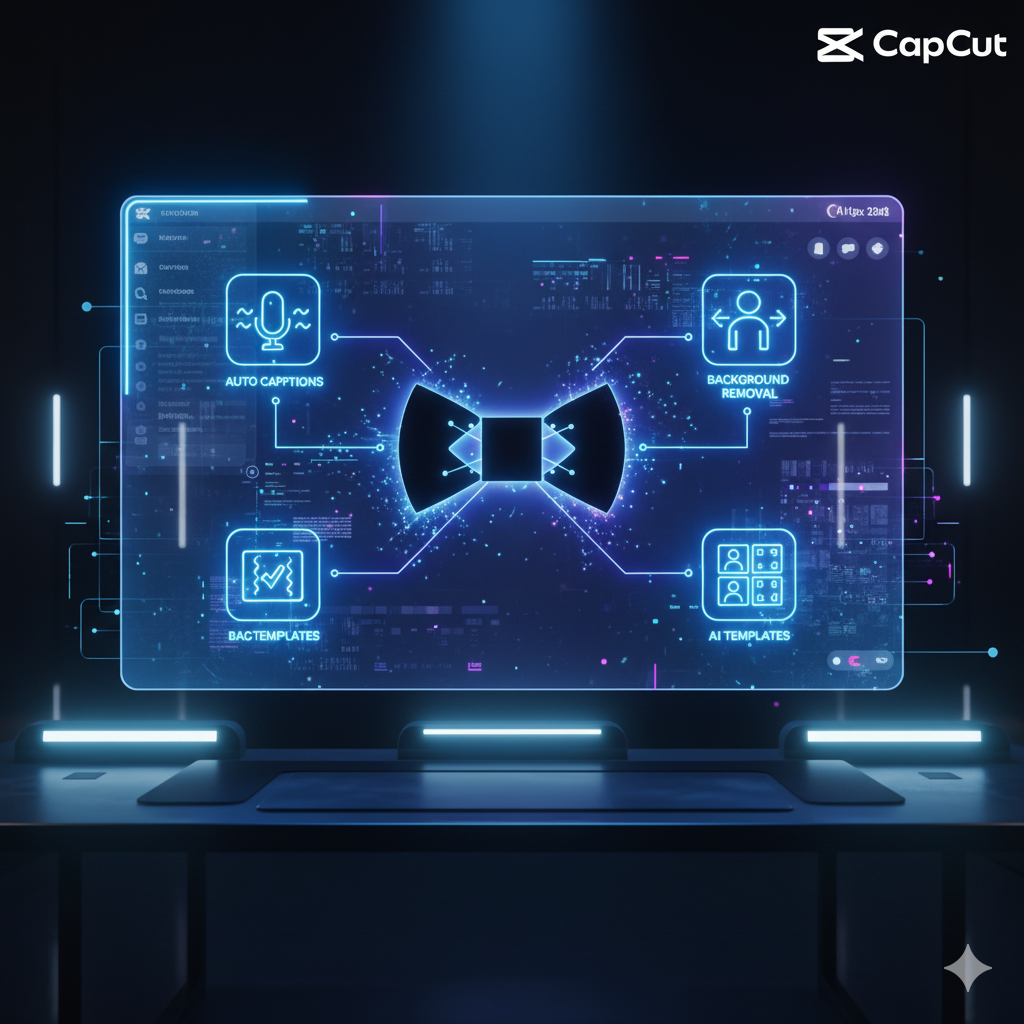
Honestly, the intelligent features keep getting updated weekly. One week you’ve got trending effects, next week—bam, some new motion tracking update shows up.
Check their official site if you want to stay in the loop.
Social Media and Your Logo
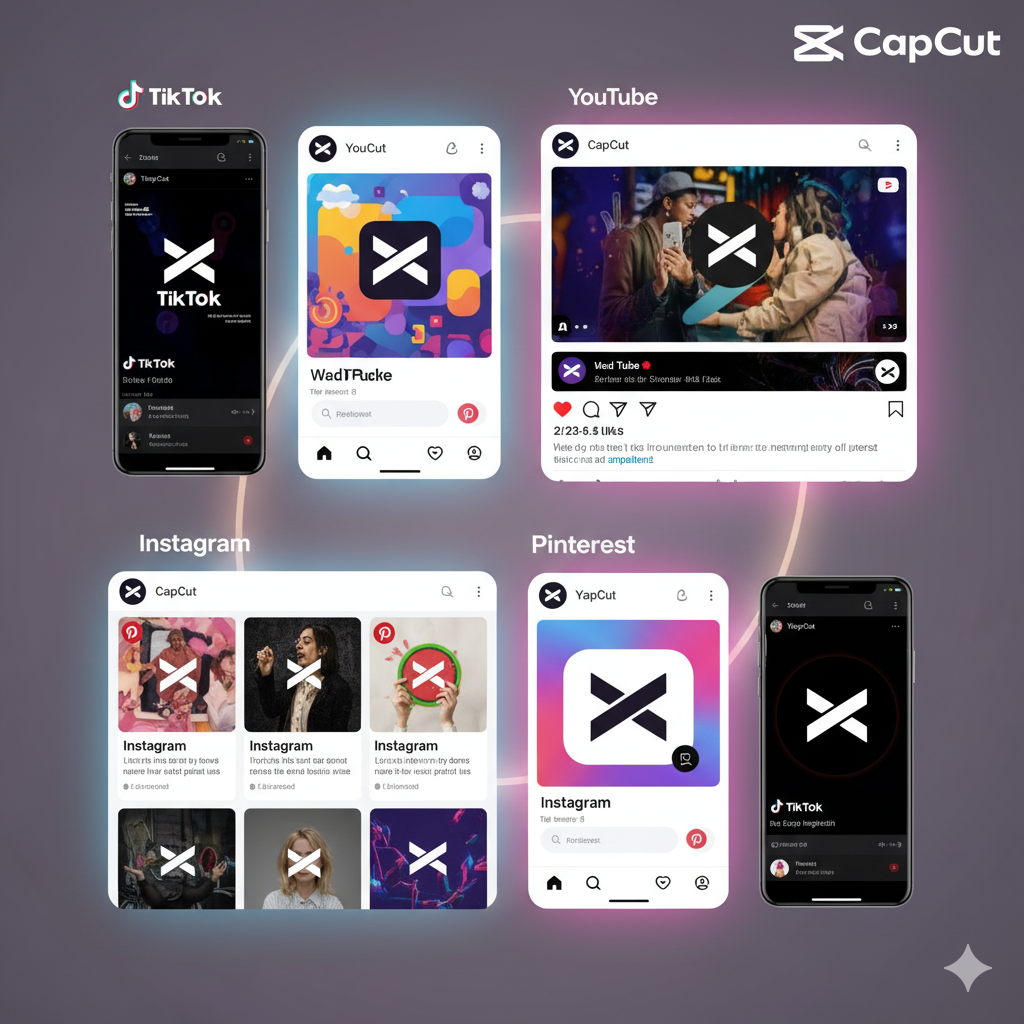
Let’s be real: logos don’t live in isolation anymore. They live on social media platforms.
So here’s how I think about it:
Your CapCut logo has to play nice with short-form videos, thumbnails, and even profile icons.
And hey—if you’re feeling lazy, just look at trending logos on Pinterest or Behance for inspiration. Steal like an artist (legally).
Fancy Features You Should Try
CapCut isn’t Adobe After Effects, but it’s not a toy either. Some unique features really help when refining logos:
Pro tip: Don’t overdo it. A logo shouldn’t feel like a Marvel movie intro every time. Subtle = professional.
Editing and Refining Your Logo
After you’ve made your first draft, refine it. That’s where good logos go from “meh” to “whoa.”
Things I do:
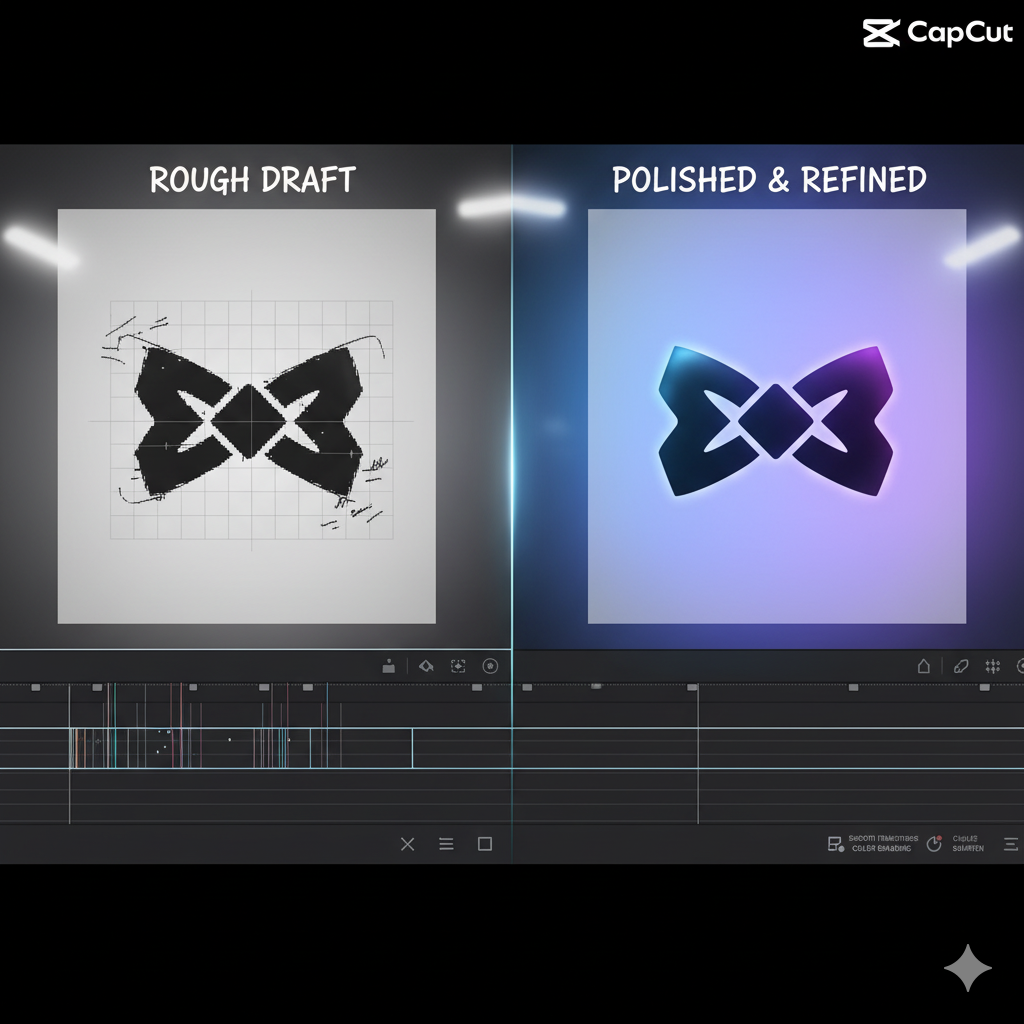
I like to preview clips multiple times in CapCut before exporting. And yeah, sometimes I end up redoing the whole thing. Perfectionist tendencies die hard.
Adding Your Logo to Videos
Once you’re happy with it, time to flex. Adding a logo to your video in CapCut is literally a one tap job.
Steps:
- Import your video tracks.
- Layer the logo as an overlay.
- Use multi track timeline for precise placement.
- Adjust with video brightness or background removal if needed.
- Add sound effects or music clips for flair.
Boom. Your video now looks like it belongs to a brand, not just a random clip.
Latest Trends in Logo Design (2025 Edition)
Logos in 2025 aren’t static. They’re moving, glowing, interacting with video content. Some current trends I’ve noticed:
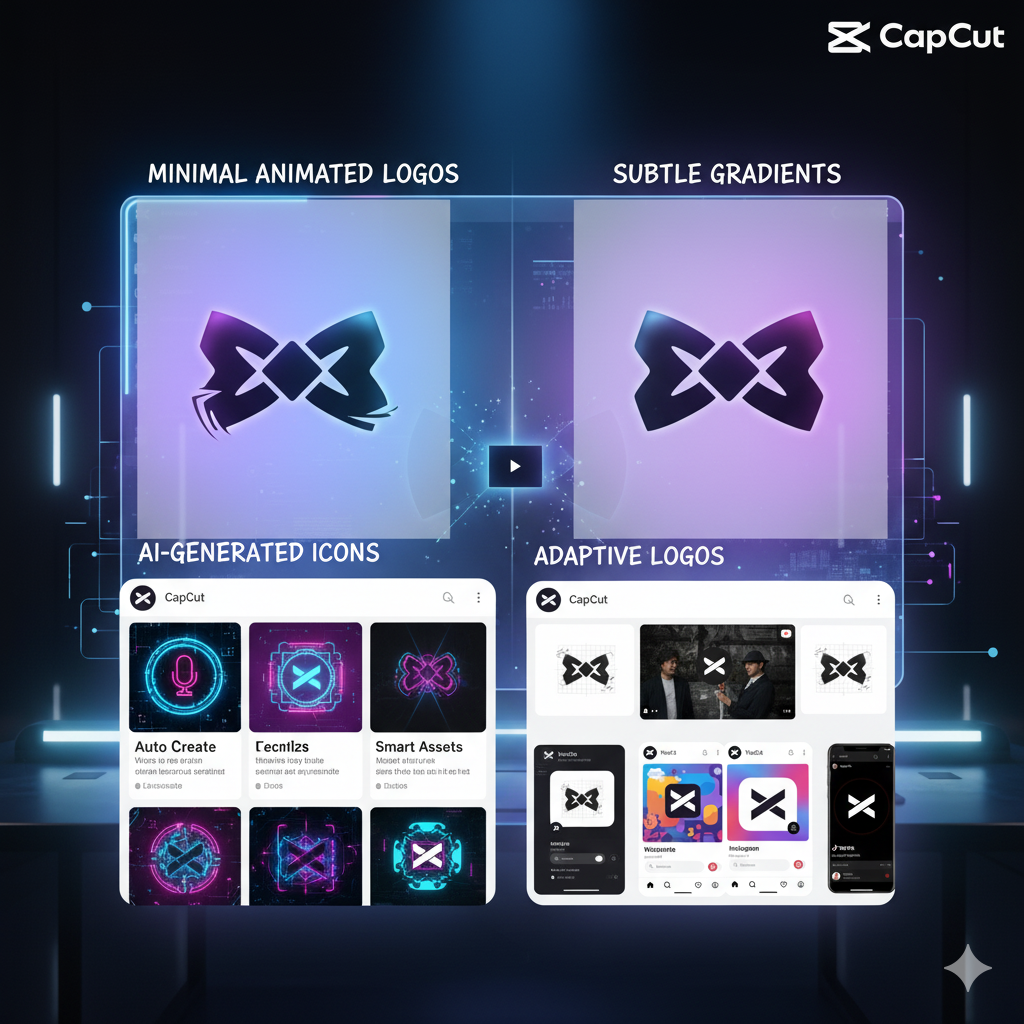
CapCut’s updated weekly features make it easier to stay on trend without downloading plugins or extra apps.
FAQs About CapCut Logo
1. Can I remove the CapCut watermark?
Yep. Export using custom video export resolution and upgrade to the pro version to remove the CapCut logo watermark.
2. Do I need advanced video editor skills to make a logo in CapCut?
Not really. Basic video editing + AI tools are enough. You can create stunning results with just the essentials.
3. Is CapCut good for professional logos?
Depends. For simple, video-based branding—yes. For high-end corporate logos? Maybe stick to Illustrator or Photoshop.
4. Can I animate my logo in CapCut?
Absolutely. Use keyframe animation, speed curves, and transition options for movement.
5. What formats can I export my logo in?
High-quality MP4 or MOV. Use custom video export resolution for crisp results.
Final Thoughts
Here’s the honest truth: CapCut isn’t just a video editor anymore. It’s a legit design tool if you know how to push it. From motion tracking to keyframe video animation, you can whip up logos that look polished enough for TikTok brands, YouTube intros, or even client projects.
Is it the best choice for “serious” design agencies? Probably not. But for creators, influencers, and small businesses? It’s more than enough.
My advice? Play around. Import some fonts, try the chroma key background removal, mess with the speed curve tool. The more you experiment, the faster you’ll find your unique style.
And remember—logos aren’t just icons. They’re your handshake with the world. Make it count.
