

The Best Crossplag AI Detector: Features and Insights You Should Know
The first time I heard about Crossplag, my brain went: “Ugh, another plagiarism checker? Don’t we already have like 15 of these floating around?” But then I dug in, tested it, broke it (well, almost), and I realized—it’s not just another “CTRL+C / CTRL+V cop.”
This thing is more like a nosy English teacher on steroids. It doesn’t just catch you stealing; it can smell if you’ve let ChatGPT or Gemini “help” a little too much. And that’s… well, both scary and kinda cool, depending on which side of the equation you’re on.
So, here’s my full Crossplag review—no sugarcoating, no corporate buzzwords.
Just me, ranting through what works, what sucks, and whether you (as a student, content manager, SaaS founder, or even a poor freelancer writing endless product descriptions under tight deadlines) should bother.
What is Crossplag?
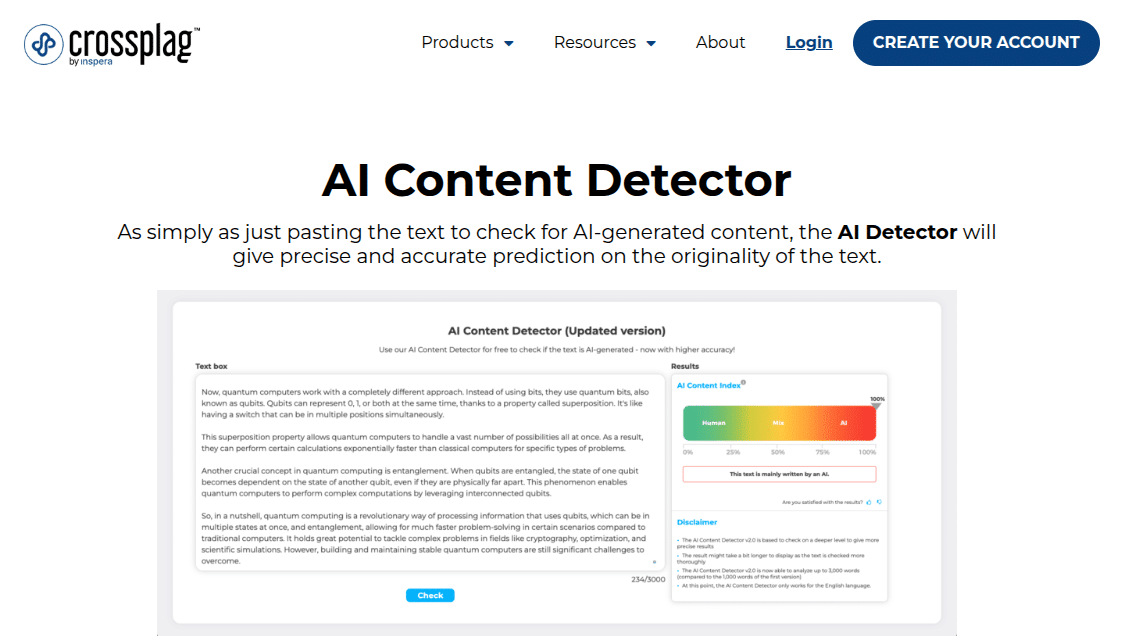
At its core, Crossplag is an AI content detector and plagiarism checker, with a modern facelift and fewer grumpy professors.
It uses advanced machine learning and natural language processing (NLP) to scan text, compare it against vast datasets of human-written stuff and AI-generated text, and then shout: “Hey, this looks sus.”
👉 According to Crossplag’s official site, you can:
Side note: If you’re a content manager who’s ever received a suspiciously “perfect” article from a freelancer at 2 AM… yeah, you’ll probably love this tool.
Why Does Crossplag Even Matter?
Let’s pause for a sec. You might be thinking: “Who cares if content is AI-generated as long as it reads fine?”
Well, here’s the kicker:
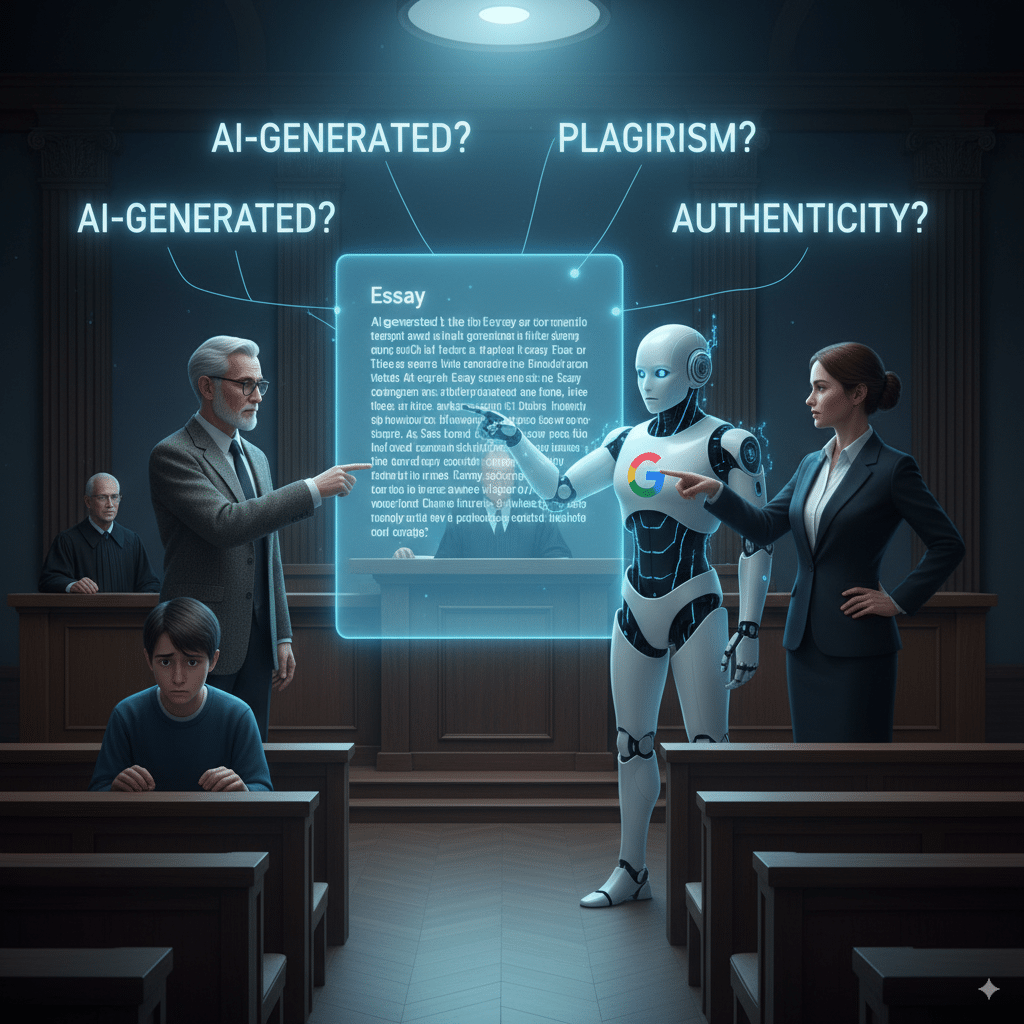
So yeah—whether you’re a student, a SaaS startup, or running a niche affiliate site about dog treadmills, content authenticity = survival.
Key Features of Crossplag
Alright, let’s get into the guts of the tool.
Side note: I tested it on one of my own AI-written cover letters (don’t judge) and—yep, caught me instantly.
How Does Crossplag Work? (Nerd Corner)
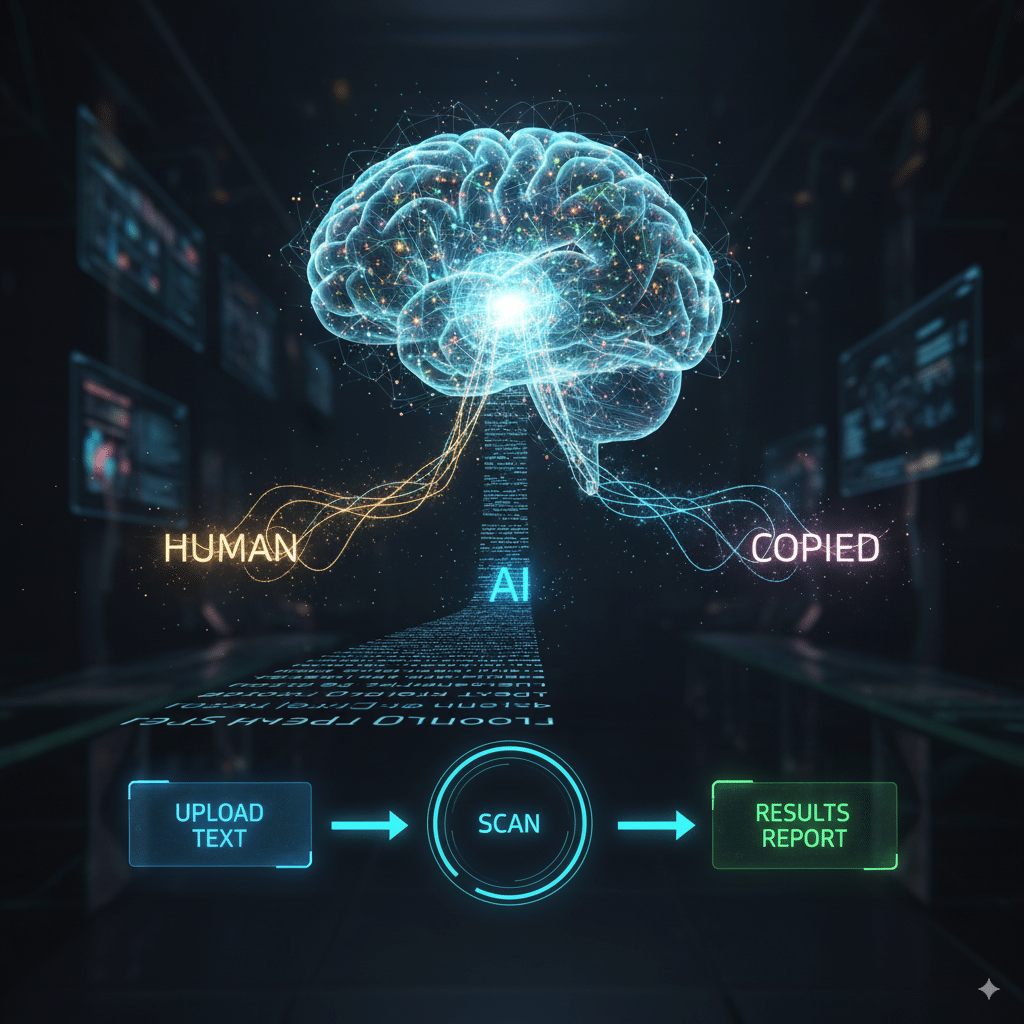
If you like buzzwords, here’s a buffet:
Basically, it’s like Crossplag sits there asking: “Does this sound too neat? Too robotic? Too predictable?” Then it compares that “vibe” to its vast datasets of human vs AI content.
👉 Example: Humans write with more randomness. AI tends to be too balanced. Crossplag looks at that balance and says: “Hmm… I think a machine wrote this paragraph about the French Revolution.”
It also checks scanning URLs, citations, and whether something looks like a lazy copy-paste job from Wikipedia.
Benefits of Using Crossplag
Here’s where it shines:
Accuracy and Reliability
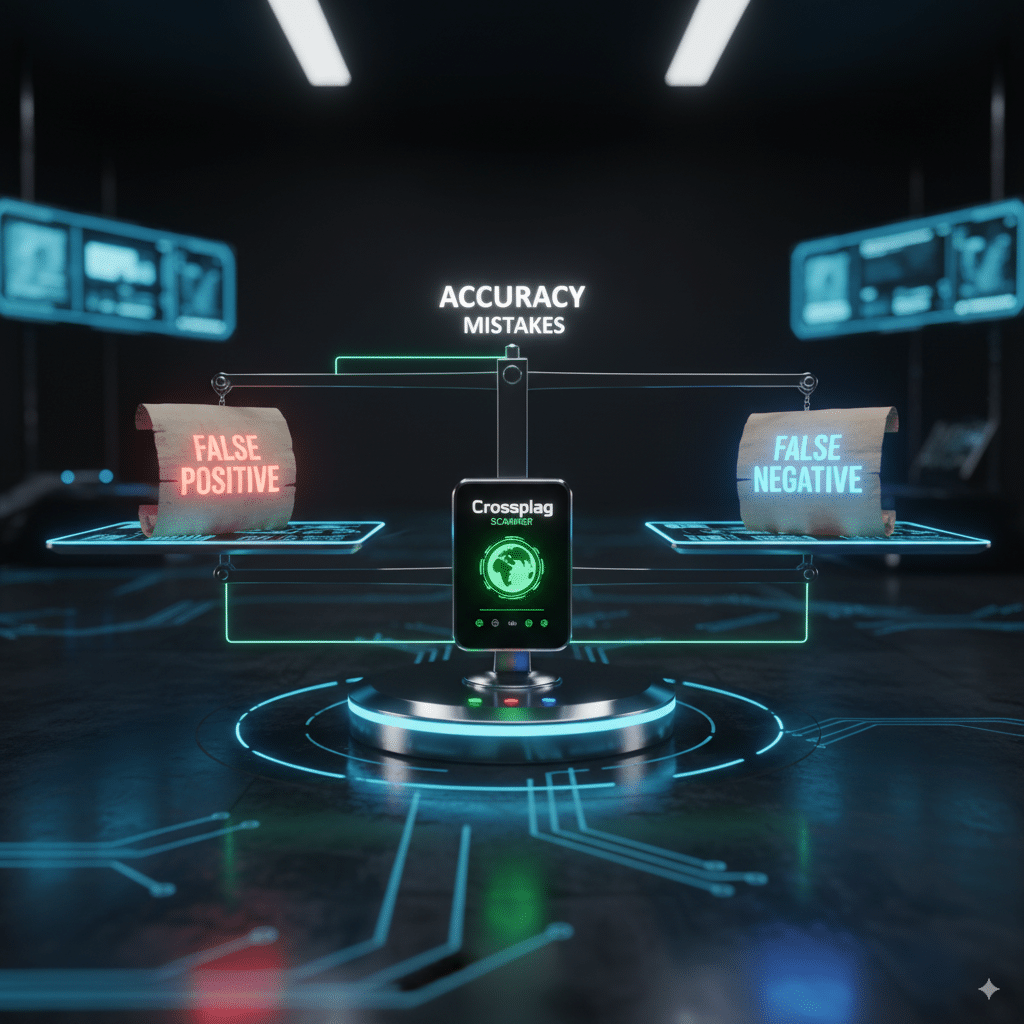
Now, is it perfect? No. Nothing in AI detection is 100%.
👉 Crossplag claims their AI detector is legit because it keeps evolving alongside new AI writing tools. And from my own test runs? Yeah, I’d say it’s precise enough to trust for business and education use.
For context: Crossplag is like the leaner, younger cousin that moves faster.
Testing and Evaluation
I ran a few experiments:
AI-generated blog intro (ChatGPT) → Caught it.
My messy handwritten-style rant → Flagged as 100% human. (Good job, Crossplag.)
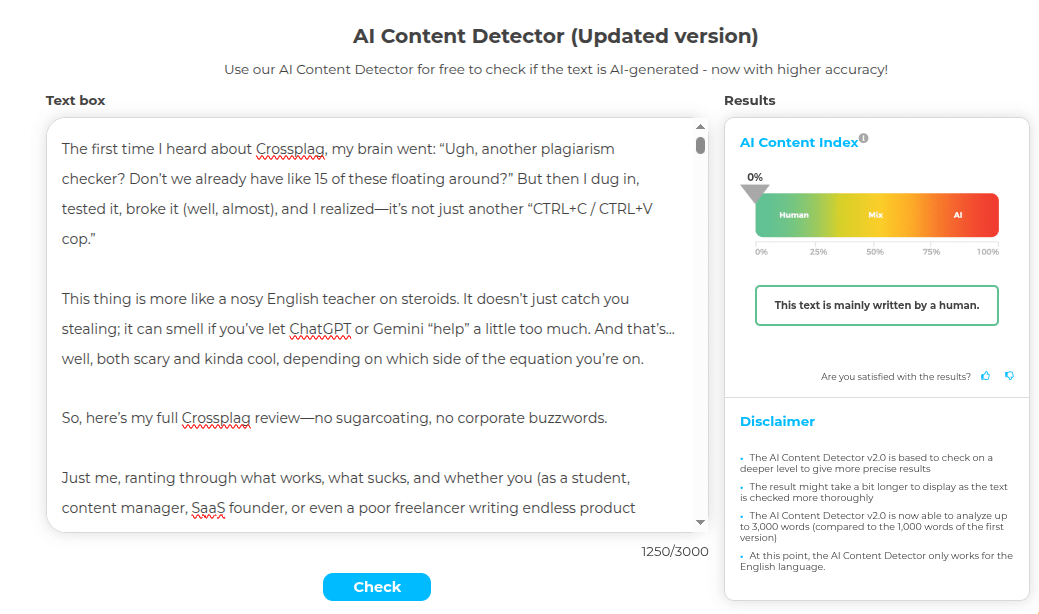
Hybrid text (AI + my edits) → Detected mixed signals, which is fair.
Random product description (rewritten with Quillbot) → It struggled here; said “partially AI.”
So yeah—it’s accurate, but like all tools, you still need common sense when reading the results.
Pros and Cons
Pros
Cons
Side note: The UI could use a glow-up. It works, but it’s not winning design awards anytime soon.
Pricing and Plans
Crossplag has three models:
They even offer white labeling solutions for big orgs that want to integrate AI content detection directly into their LMS or editorial workflow.
Alternatives to Crossplag
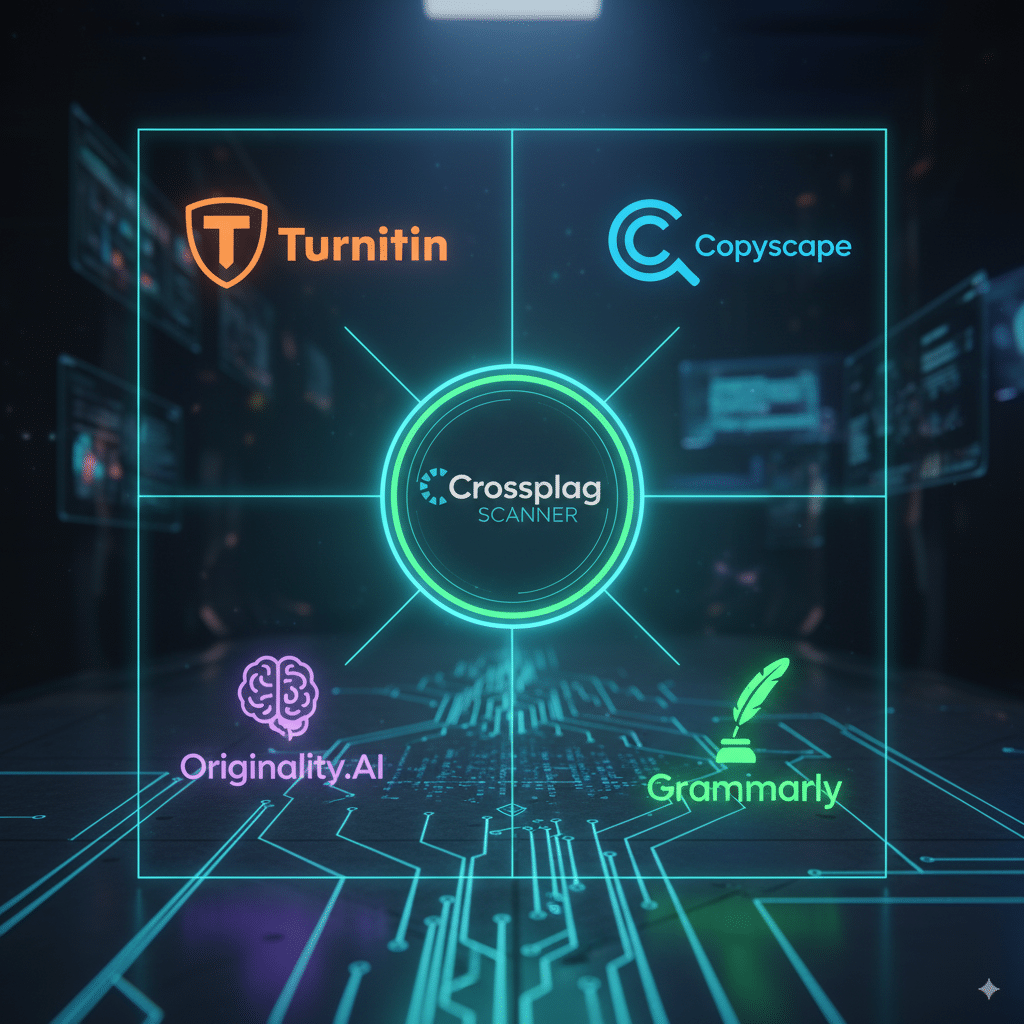
If you’re shopping around, here are the usual suspects:
👉 Honestly, Crossplag sits somewhere in the middle—cheaper than Turnitin, more legit than random free detectors.
Final Verdict: Is Crossplag Worth It?
If you’re a:
It’s not perfect, but it’s one of the better AI content detectors + plagiarism tools out there right now.
FAQs About Crossplag
1. Is Crossplag legit?
Yep. It’s been tested across education and publishing businesses and holds up pretty well.
2. Can Crossplag detect AI-generated content?
Yes—it spots text written by tools like ChatGPT using NLP + advanced machine learning.
3. Does it only work in English?
Nope. While English is its strongest, it supports other languages too.
4. What’s the word limit?
Free users get 1,000 words per scan. Paid plans = more.
5. Can it detect Quillbot or paraphrased AI text?
Sometimes, but not always. Paraphrasing tools are tricky.
6. How does it compare to Turnitin?
Turnitin is stricter (and pricier). Crossplag is more flexible and user-friendly.
7. Is it useful for SEO writers?
Yes. It helps ensure search engines don’t penalize you for AI spam.
💭 Final thought: If AI is the new ghostwriter, then Crossplag is the ghostbuster. Not flawless, but if you care about originality, authenticity, and academic integrity, it’s worth having in your toolbox.
