

Originality AI vs TraceGPT: Comparing Authenticity and Accuracy Tools
If you’ve landed here, you’re probably already tangled in the web of AI generated content debates. Everyone’s talking about AI content detectors, AI plagiarism checkers, and how to spot if something was written by ChatGPT or a real human who stayed up at 3 AM with coffee and a deadline.
And yep, two names keep popping up: Originality AI and TraceGPT. So, let’s roll up our sleeves and actually compare them.
(Side note: I’ve tested both on client projects and—spoiler alert—they’re not perfect. But which one should you actually use? Let’s break it down.)
Why AI Detection Even Matters

Remember when plagiarism checkers like Turnitin were the big scary monster for students? Well, now the monster has evolved—it’s got neural networks, large language models, and generative AI brains. We’re talking essays, blog posts, even entire marketing campaigns churned out by AI tools.
And the truth? You can’t just rely on your gut anymore. AI written content looks a lot like human written text now. Sometimes it’s even too clean, too logical—like a person who’s had way too much caffeine but never makes a typo. That’s where AI detection tools come in.
They help:
So yeah, detection tools aren’t a luxury anymore—they’re survival kits.
Originality AI vs TraceGPT: Quick Snapshot
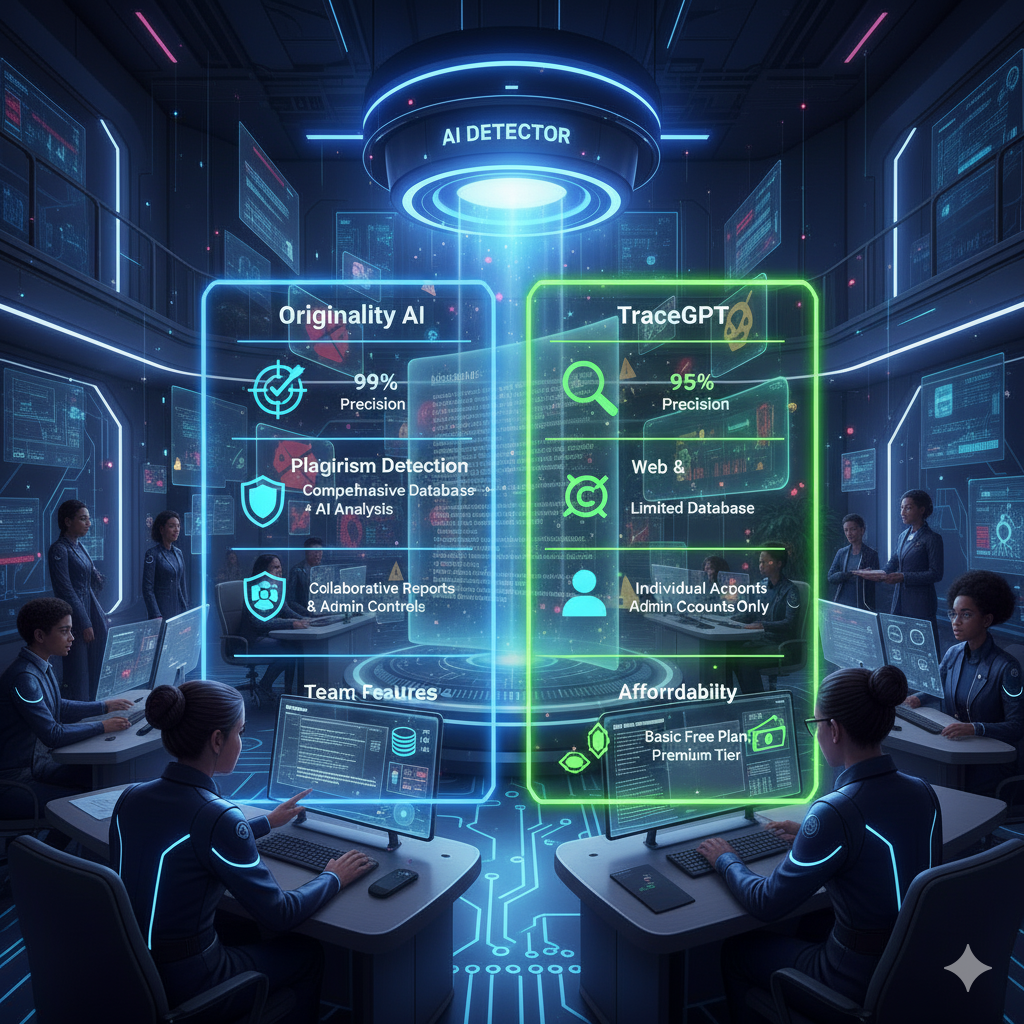
Here’s the TL;DR before we dive deep:
Feature | Originality AI | TraceGPT |
|---|---|---|
Detection Capabilities | AI detection + plagiarism checker | Primarily AI detection with explainability |
Accuracy | Strong, often cited in SEO circles | Decent, but can throw false positives |
Plagiarism Detection | Yes (double duty: AI + plagiarism) | Limited to AI detection only |
Multilanguage AI Detection | Yes | Mostly English-focused |
Team Features | Add unlimited team members | Limited team sharing |
Extra Tools | Site scan, readability score checker | Instant reports, text explainability |
Best For | Agencies, publishers, SEOs | Educators, casual users |
Deep Dive into Originality AI
Alright, so Originality AI is the one I see SEOs rave about. Why? Because Google is breathing down everyone’s neck about “high quality content” and no one wants their rankings nuked.
Features:
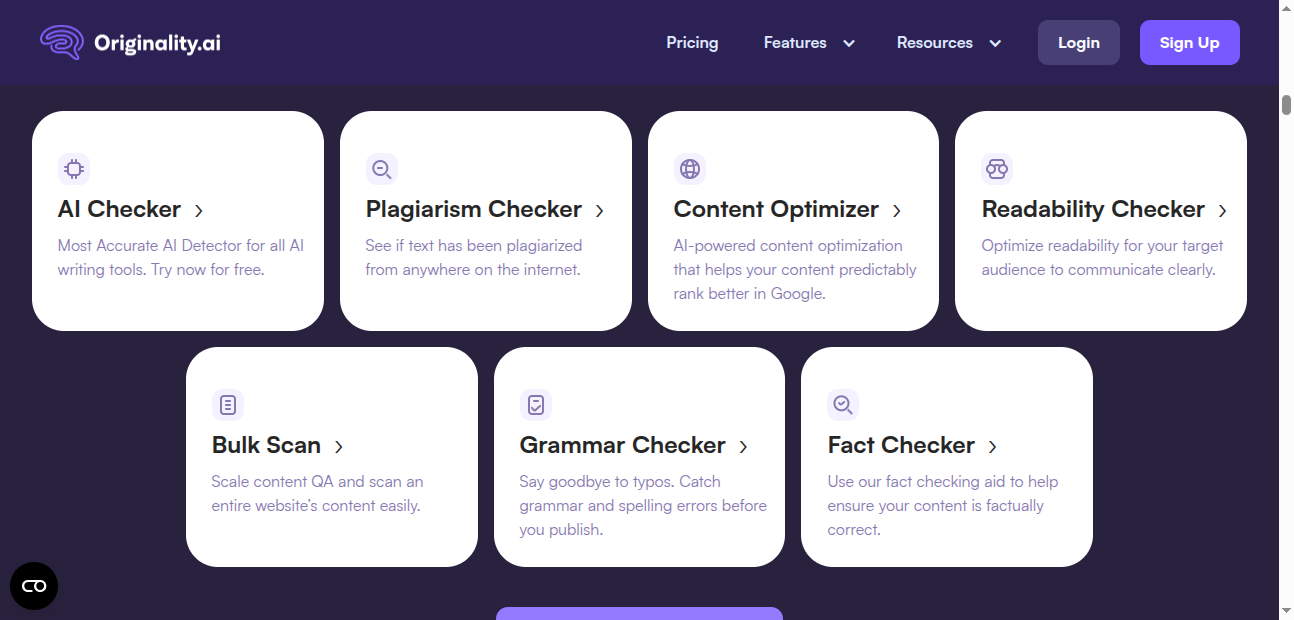
- AI content detector that scans for AI generated essays, articles, blog posts.
- Built-in plagiarism detection (so you don’t accidentally lift someone else’s work).
- Readability score checker—because AI written text can sound robotic.
- Site scan: crawl entire websites for AI content.
- Add unlimited team members if you’re running an agency.
Pros
- Combines plagiarism checker + AI detector = one-stop shop.
- Works across multiple languages.
- Decent dashboard with instant reports.
- Widely trusted in the SEO community.
Cons
- Subscription isn’t cheap. (Seriously, it adds up.)
- Can still hit you with false positives.
- Not always transparent about why something is flagged.
(Personal note: I once ran my own article through it—an article I sweated over, fueled by cold brew—and it flagged parts as “AI generated.” That stung.)
Deep Dive into TraceGPT

Now onto TraceGPT. It’s a bit of the underdog here. While Originality AI is more “enterprise-ready,” TraceGPT feels like the tool for educators, students, or writers who just want a quick scan.
Features:
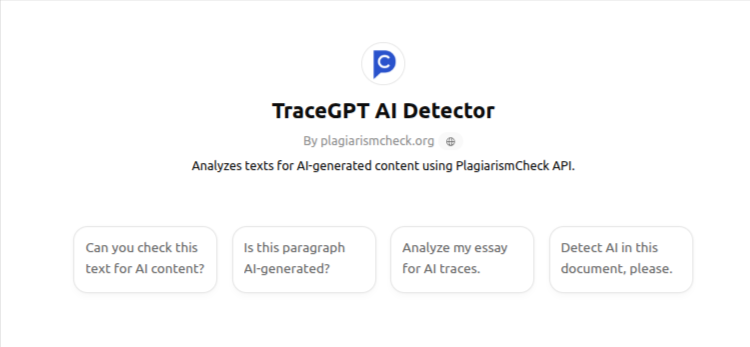
- AI written text detector that breaks down why it thinks text is AI generated.
- Simple, clean interface.
- Instant AI detection reports.
- Focused on explainability—showing you the reasoning instead of just slapping a % score.
Pros
- Transparent. Shows parameters and reasoning (less black-box).
- Quick scans with easy-to-understand results.
- Good for catching AI written essays or assignments.
Cons
- Doesn’t have plagiarism detection—only AI detection.
- Mostly works in English (so multilanguage writers are left hanging).
- Not as scalable for agencies or teams.
Accuracy, False Positives & The Gray Zone
Here’s the kicker: no AI detector is 100% accurate. Not Originality AI. Not TraceGPT. Not even the ones “backed by the latest models.”
Why? Because language is messy. Humans write in weird ways. AI writes in patterns. But sometimes those two overlap. For example:
This is where false positives creep in. Originality AI is stricter, so it sometimes flags human written text. TraceGPT explains itself better, but doesn’t always catch the newest generative AI tricks.

Academic Integrity & Business Use Cases
Let’s be real. Different people use these tools differently:
Both tools play a role. Originality AI feels more “business serious.” TraceGPT feels more “teacher’s pet.”
Plagiarism Detection & Why It’s a Big Deal
Okay, here’s the thing: plagiarism isn’t always intentional. You might write something, and it accidentally mirrors someone else’s phrasing. That’s where a solid plagiarism checker comes in.
If you’re a blogger, SEO, or business writer, I’d say Originality AI is worth it for this reason alone.
Features That Actually Matter (IMO)
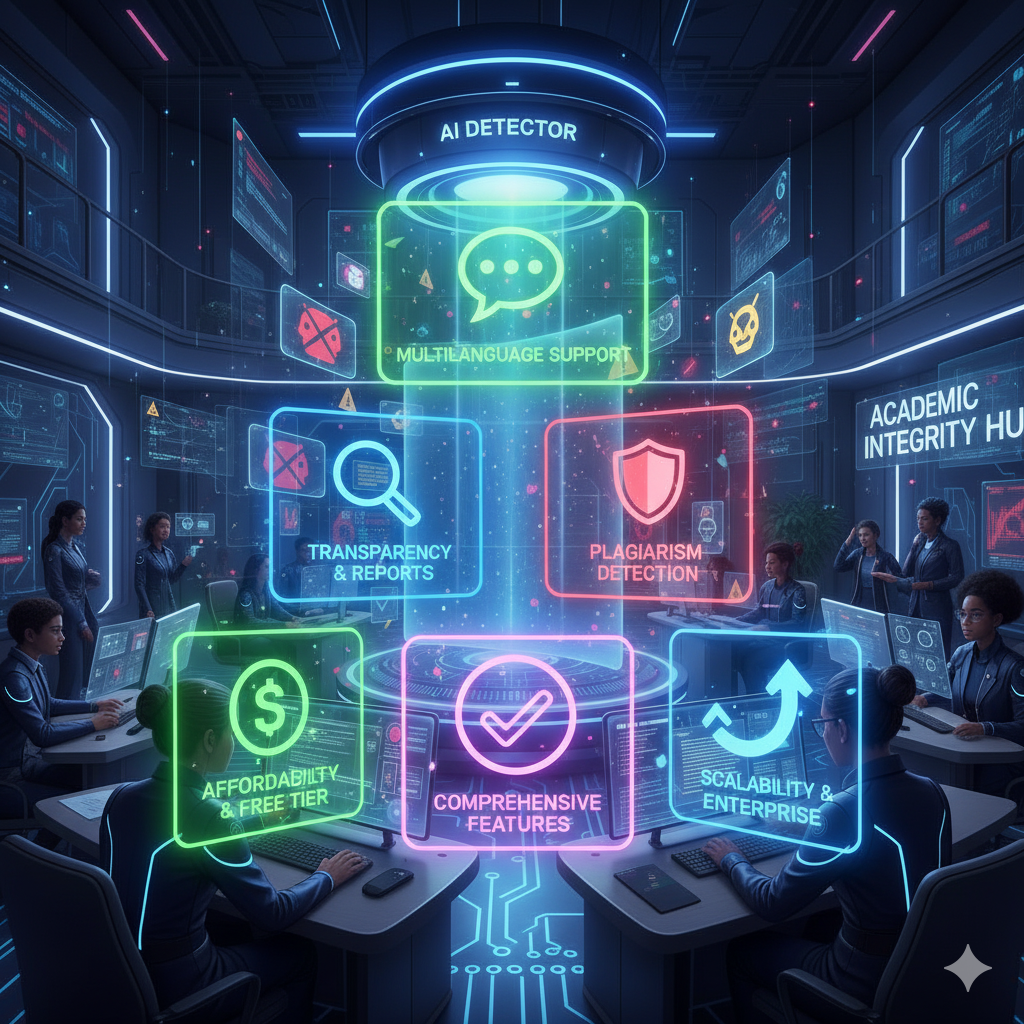
So it really depends on what you need. (Classic non-answer, I know. But true.)
FAQs
Q: Can these tools guarantee 100% accuracy?
A: Nope. AI detection models are improving, but false positives and misses happen.
Q: Do they work on non-English text?
A: Originality AI does better here. TraceGPT? Mostly English.
Q: What if I just use a free plagiarism checker instead?
A: A regular plagiarism checker won’t tell you if text is AI generated. That’s why tools like these exist.
Q: Which one should I pick as a student?
A: TraceGPT is fine for one-off checks. But if your school is serious about AI detection, they might prefer Originality AI.
Q: Which is better for agencies?
A: Originality AI. Hands down. Unlimited team members + site scan is a lifesaver.
My Final Take
If you’re an SEO, marketer, or agency owner, I’d lean toward Originality AI. It’s pricier, but you get plagiarism detection, team features, and a comprehensive suite. It’s the “professional-grade” detector.
If you’re an educator, student, or solo writer, TraceGPT might be enough. It’s simpler, more transparent, and less heavy on the wallet.
But remember—these tools are helpers, not final judges. They’re like metal detectors at the airport: they’ll beep when something’s off, but a human still needs to check your bag.
