

Originality AI vs Winston AI: A Comprehensive Comparison of Features
Let’s cut straight to the chase AI detection tools are the new gatekeepers of the content world. Love them or hate them, they’re here to stay. And if you’re in SEO, academia, or just trying to keep your blog from looking like ChatGPT’s diary, you’ve probably heard of Originality AI and Winston AI.
These two are the “Spotify vs Apple Music” of AI detection — both solid, both hyped, but which one actually fits you? That’s what we’re figuring out today.
(Side note: I’ve tested both. And yes, I’ve had human-written stuff flagged as AI before. It’s a vibe-killer.)
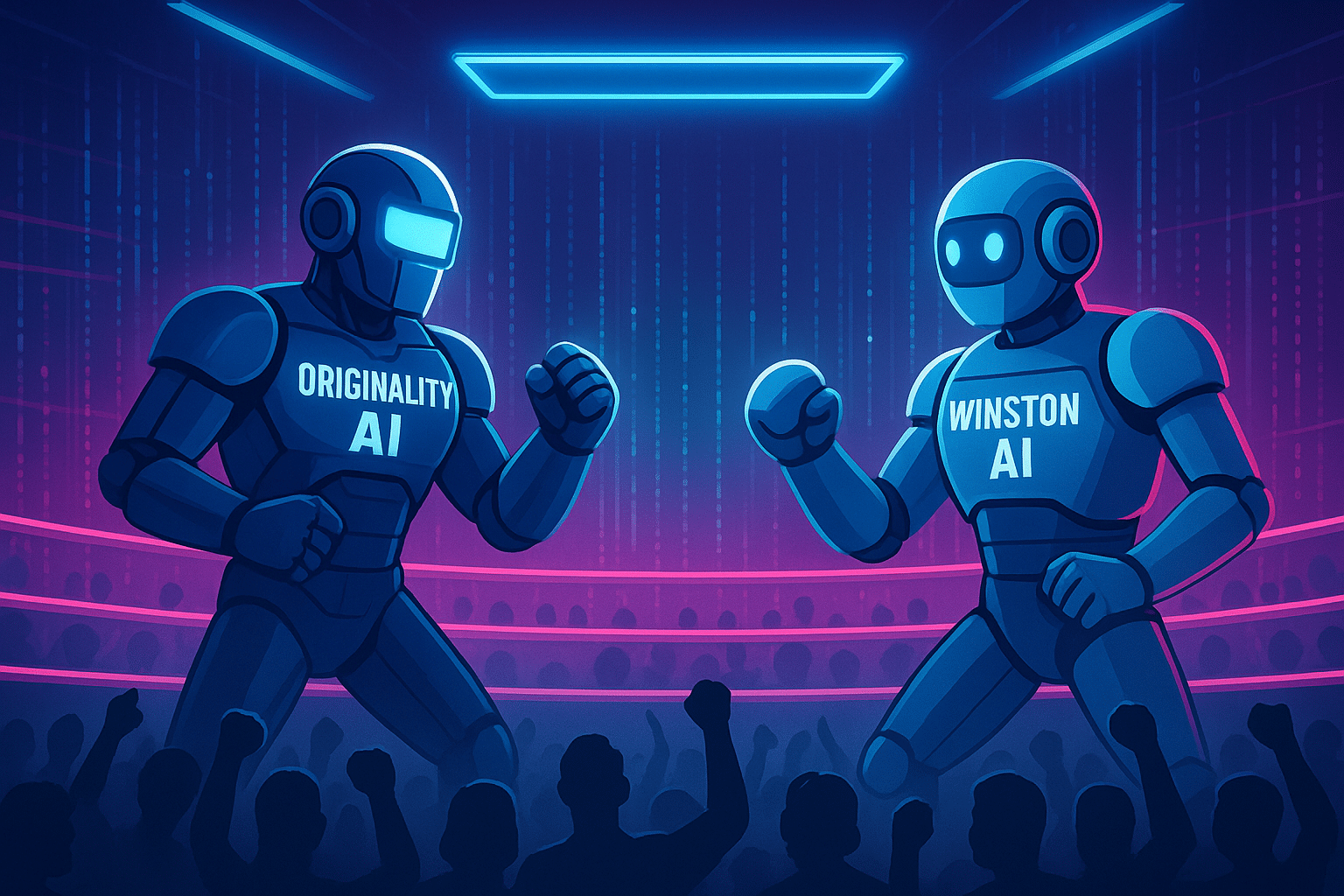
AI Generated: What We’re Really Dealing With
Let’s get real for a second. AI generated content isn’t inherently bad. I mean, we’ve all used AI writing tools like Jasper, Copy.ai, or even ChatGPT to brainstorm or speed things up. But the problem? When AI-written text is passed off as purely human, without oversight, it can tank credibility — especially in academia or on platforms like Google Classroom.
And yeah, AI keeps getting smarter. Generative AI tools can mimic tone, structure, and even “human flaws.” That’s why AI content detection tools exist — to sniff out the synthetic stuff.
AI Detection Tools: Why We Even Need Them
Think of AI detection tools like bouncers at the club. They’re checking IDs, except instead of fake driver’s licenses, they’re looking for fake writing.
Originality AI and Winston AI both use machine learning models to analyze sentence structure, rhythm, and “word predictability” — basically, they can tell when a text feels too mathematically perfect.
If you want the nitty-gritty on the tech side, check this MIT overview of NLP detection techniques.
(Side note: I’ve noticed these detectors don’t just judge what you write — they judge how you write. Which means… sloppy human writing sometimes wins. Go figure.)
AI Content Detection Tools in Action
Here’s the big truth: most AI content detection tools aren’t just scanning for one thing. They’re juggling multiple checks:
Both Originality AI and Winston AI tick those boxes. The difference? One leans heavily into plagiarism detection, the other into human verification.
Originality AI: My Take
If you hang out in SEO or publishing circles, you’ve heard the name. Originality AI markets itself as the most accurate AI detector for long-form text. And from my testing, they’re not just puffing smoke.
Features of Originality AI
Scans for AI generated text with detailed AI probability scores.
Integrated plagiarism checker (saves you from paying for Copyscape separately).
Easy-to-read reports — you don’t need a PhD to understand them.
Works smoothly in Google Docs and CMS setups.
(Side note: I love the plagiarism integration. It’s a two-birds-one-stone situation for content teams.)
Pros
- Highly accurate AI detection for long-form text — great for blogs, SEO articles, and whitepapers.
- Integrated plagiarism checker so you don’t need a separate tool like Copyscape.
- Google Docs and CMS integration for smooth workflow.
- Detailed AI probability score so you know exactly how much of the text looks AI-generated.
- Affordable pricing for heavy users (content agencies, publishers).
- Strong bypass resistance — harder for AI humanizer tools to trick it.
- User-friendly interface — clean and straightforward reports.
Cons
- Weaker on short-form content — sometimes overestimates AI use in small snippets.
- No strong human verification focus — better at catching AI than proving human authorship.
- Occasional false positives (though fewer than some competitors).
- No free version — strictly paid.
Winston AI: The Challenger

Winston AI plays a slightly different game. While it also detects AI generated material, its big sell is human writing verification — which means it actively tries to prove your text is human-written.
Features of Originality AI
It provides a human writing verification score and detects ai generated text with high accuracy.
Detects AI-written material with high accuracy.
Winston AI also offers a plagiarism checker and grammar checker tools.
The tool is designed to help content creators ensure the authenticity of their content and maintain academic integrity.
Clean, modern dashboard (UX is a win here).
They’ve got a strong presence in education spaces, where academic integrity is life or death.
Pros
- Excellent human writing verification — actively proves content is human-written.
- Great for academia — built with schools, teachers, and students in mind.
- Plagiarism detection included, just like Originality AI.
- Sleek, modern interface — reports look professional.
- High detection accuracy for shorter pieces and academic essays.
- Customizable settings for educators and institutions.
- Strong focus on academic integrity and integration with platforms like Google Classroom.
Cons
- No Google Docs integration — less convenient for content marketing teams.
- Not as optimized for long-form SEO content — better suited for academic/shorter work.
- Paid tool — no free unlimited scanning.
- Occasional bypass vulnerability — AI humanizers can sometimes slip past it.
Plagiarism Detection: Tie or Winner?
Honestly? This is a tie. Both integrate plagiarism scanning well. For content marketers and students alike, this is non-negotiable. Because if you’re only using AI detector tools without plagiarism checks, you’re missing half the picture.
Human Written: The Gold Standard
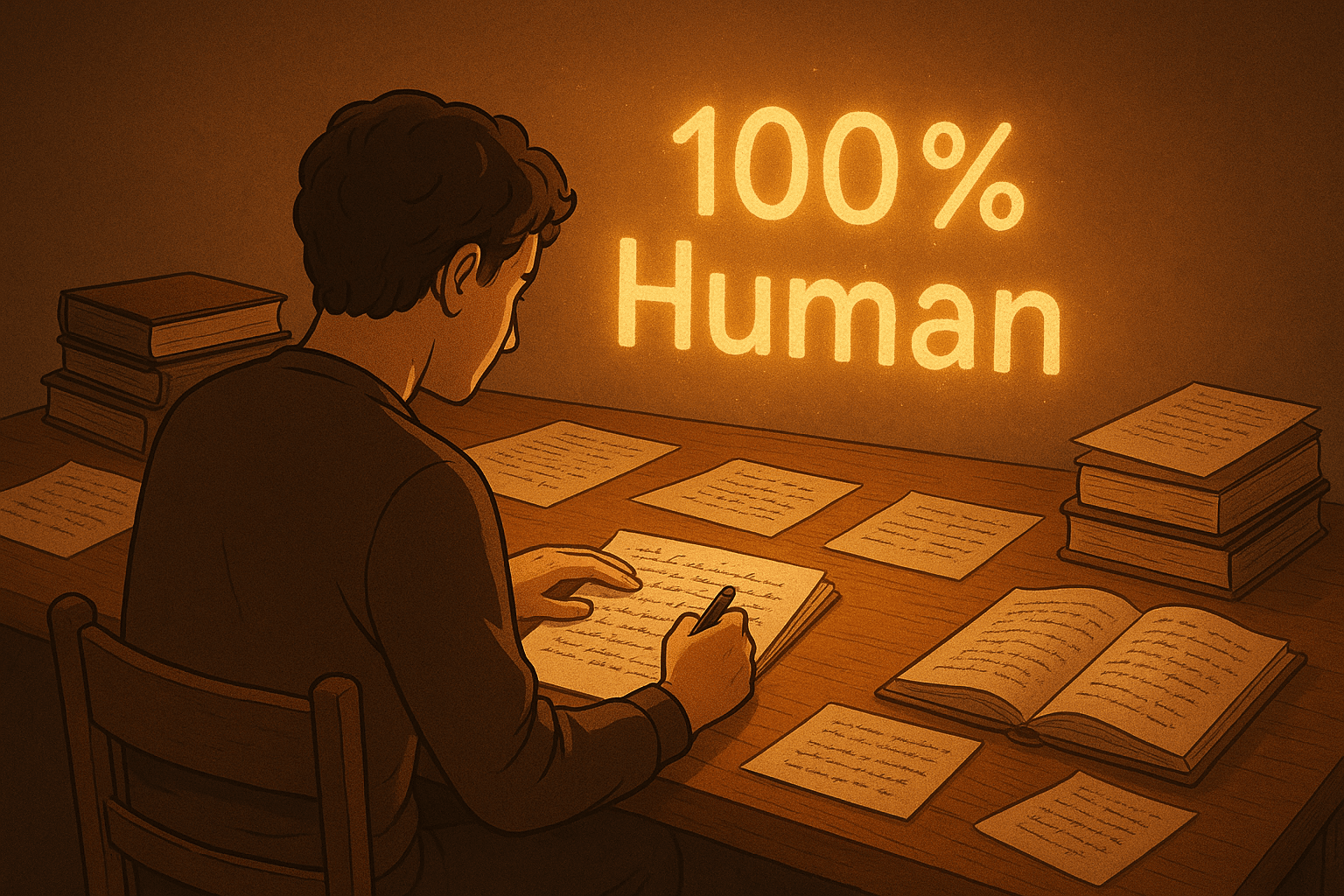
Let’s not forget why these tools even exist — to protect human written content.
I personally believe the most valuable writing comes from messy, emotional, slightly flawed human brains. Both Originality AI and Winston AI understand this, which is why they highlight human generated parts of your text.
False Positives: The Pain Point
This is where things get sticky. Both tools can sometimes flag human written text as AI. And trust me, if you’re a freelancer sending work to a picky client, this can spark unnecessary drama.
(Side note: I once had 100% human-written copy come back with a “50% AI” flag. I wanted to throw my laptop out the window.)
Most Accurate AI Detector: And the Winner Is…
From my tests (and from what the buzz says in SEO Facebook groups), Originality AI seems to have the edge for long, complex articles. Winston AI feels better for shorter educational pieces where human verification is key.
But there’s no universal “most accurate” — it depends on your content type.
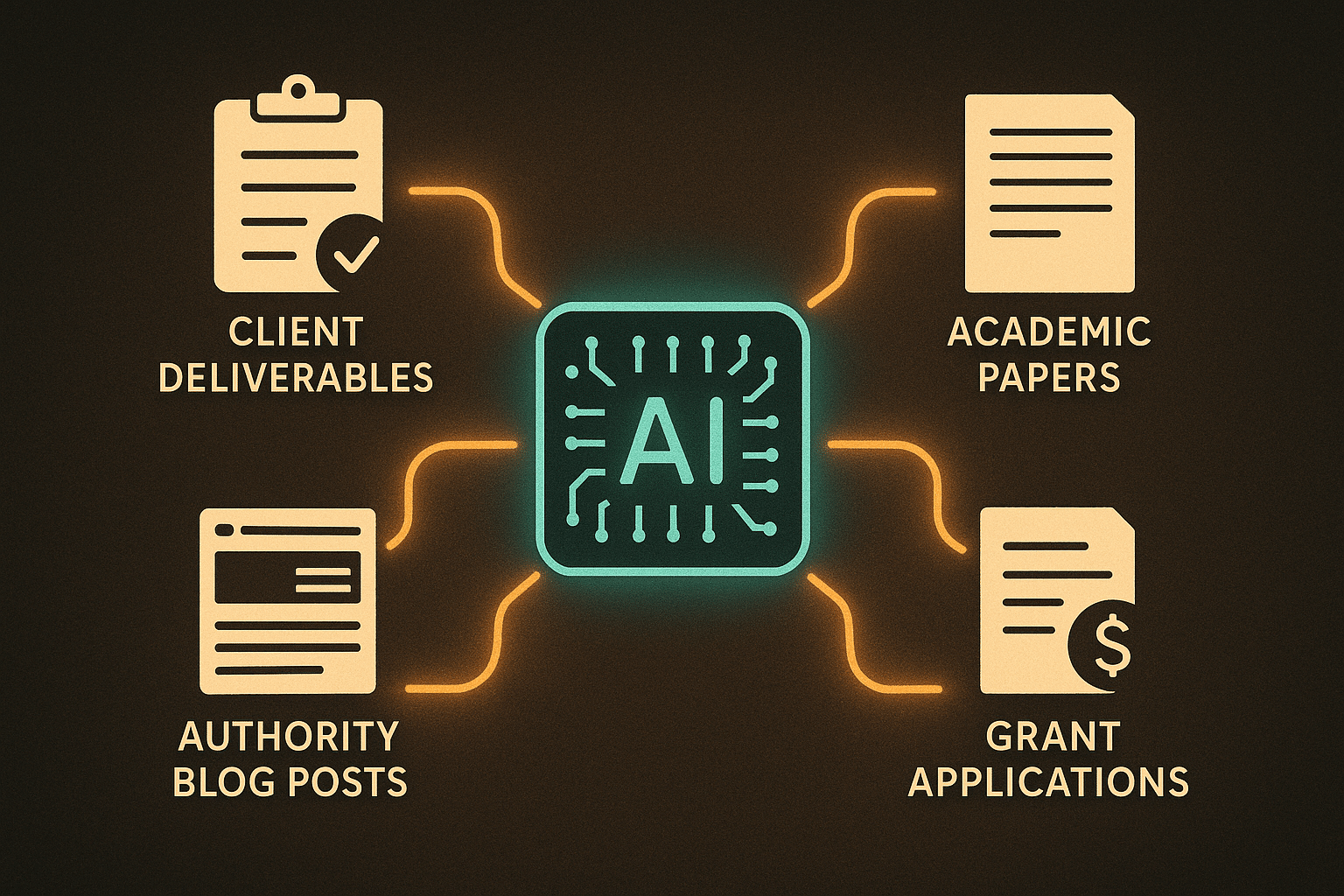
AI Content Detector: When to Use
You don’t need to run every tweet through an AI content detector (unless you’re into punishment). But for:
…yeah, it’s worth it.
Content Detection: More Than Just Text
Here’s something interesting: the field is evolving. Some content detection tools are starting to dip into AI image detection too. So the day might come when these tools scan your blog images for AI generated material as well.
Bypass AI Detectors: The Elephant in the Room
Let’s not pretend — there are AI humanizer tools and “bypass AI detectors” guides floating around. People use them to disguise AI-written stuff.
But here’s the catch: every time these bypass tools improve, AI detectors improve too. It’s an arms race, and nobody’s really “winning” forever.
Originality AI vs Winston AI - Side-by-Side Comparison Table
Feature / Tool | Originality AI | Winston AI |
|---|---|---|
AI Probability Score | ✅ Yes | ✅ Yes |
Human Writing Verification | ⚠️ Basic | ✅ Strong |
Integrated Plagiarism Checker | ✅ Yes | ✅ Yes |
Google Docs Integration | ✅ Yes | ❌ No |
Academic Integrity Focus | ⚠️ Medium | ✅ High |
Pricing Flexibility | ✅ Good | ✅ Good |
Bypass Resistance | ✅ Strong | ✅ Strong |
UI/UX Design | ✅ Simple | ✅ Modern |
Final Thoughts
If you’re an SEO content marketer cranking out blogs, I’d lean toward Originality AI for its deeper analysis and plagiarism combo.
If you’re in academia, journalism, or anything where proving your content is human is just as important as flagging AI, Winston AI feels like the better fit.
Either way, the days of “nobody will notice this is AI” are ending fast.
So, whichever camp you choose, use these tools as allies — not enemies.
(Side note: And please, don’t write like a robot even if you’re human. AI doesn’t need more competition.)
