

Understanding the Definition of Blog: Purpose and Importance Explained
What even is a Definition of Blog?
You’d think everyone knows the definition of a blog by now. But every time I talk to someone outside the marketing bubble, I still get questions like, “Wait… is a blog just someone’s online diary?”
Sort of. But not really. A blog—short for “weblog” (yep, it was coined back in 1997 when the internet still squealed at you to connect)—started as an online journal. Think personal stories, little life updates, “here’s what my cat did today” kind of stuff.
But then it mutated. Big time. Suddenly blogs weren’t just about your lunch; they became business tools, SEO engines, media outlets.
Now a blog can look like anything: a mom sharing recipes, a SaaS founder pumping out thought-leadership, or a company trying to out-Google its competitors with “10 best” lists.
(Side note: mainstream media tried to look down on blogs at first. Funny how now half of them run “live blogs” during breaking news. Classic.)
Blog Post: the bread and butter
A blog post is just a single article on a blog. It can be 500 words of ranting or a 5,000-word monster guide designed to rank on Google.
It can include images, videos, infographics, even podcasts. The only “rule”? Posts appear in reverse chronological order.
That means the newest post is on top, because the internet’s basically obsessed with what’s latest.
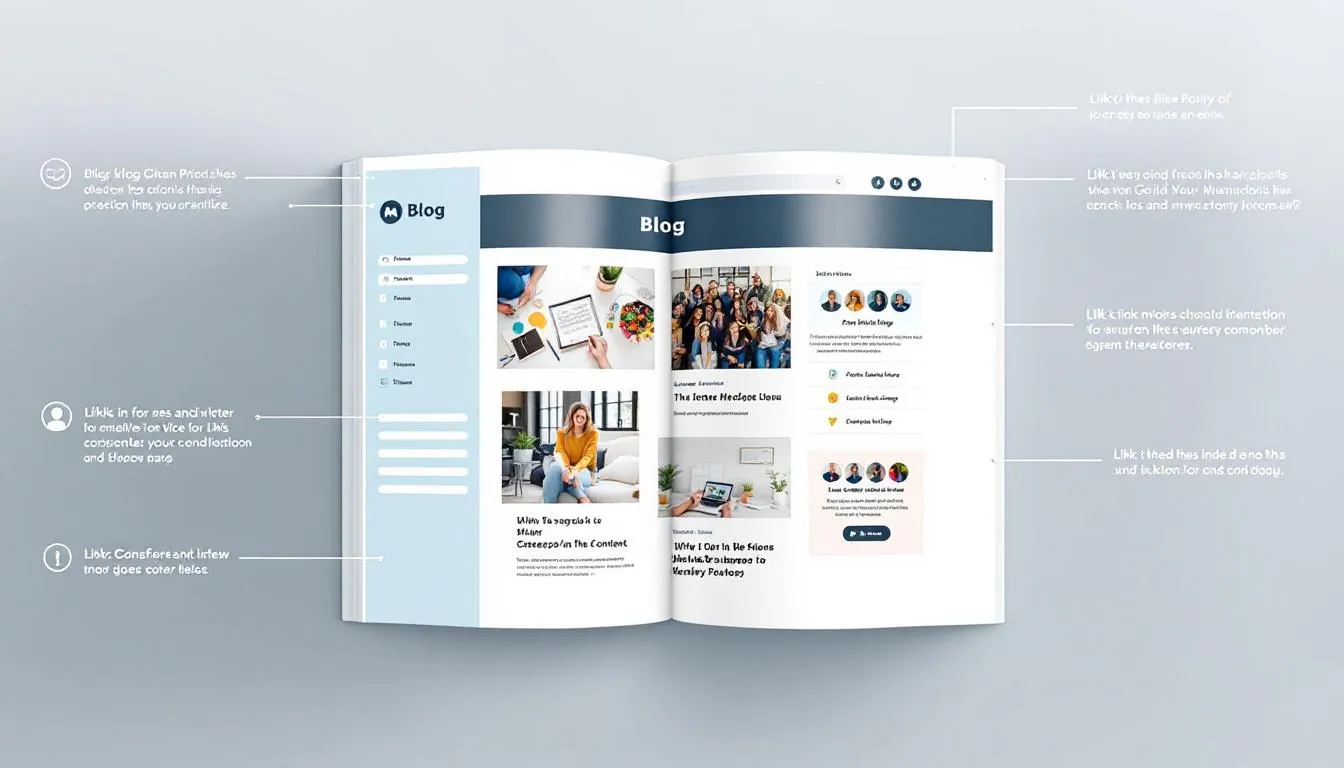
A typical blog has:
That’s the structure, but don’t get too hung up on it. Blogs are flexible. I’ve seen blogs that look like magazines, and others that look like someone slapped text on a blank page and hit publish.
Personal Blog: where it all started
Ah, the personal blog. The OG. Early blogs were basically online diaries. People wrote about their personal lives, random opinions, or even rants about politics.
Think LiveJournal, Blogger, and yes, even Scripting News, which some argue was the first blog ever.
Now? Personal blogs still exist, but they’ve evolved. A “personal blog” might be:
Here’s the thing: personal doesn’t mean “pointless.” Personal blogs can turn into full-blown businesses. Plenty of today’s influencers started with nothing but a blog and a story.
Starting Your Own Blog (without losing your mind)
So, you’re thinking about starting your own blog. Let me guess—you Googled “how to start a blog” and got smacked in the face with affiliate-loaded tutorials. Yep, welcome to blogging.
Here’s the stripped-down version:
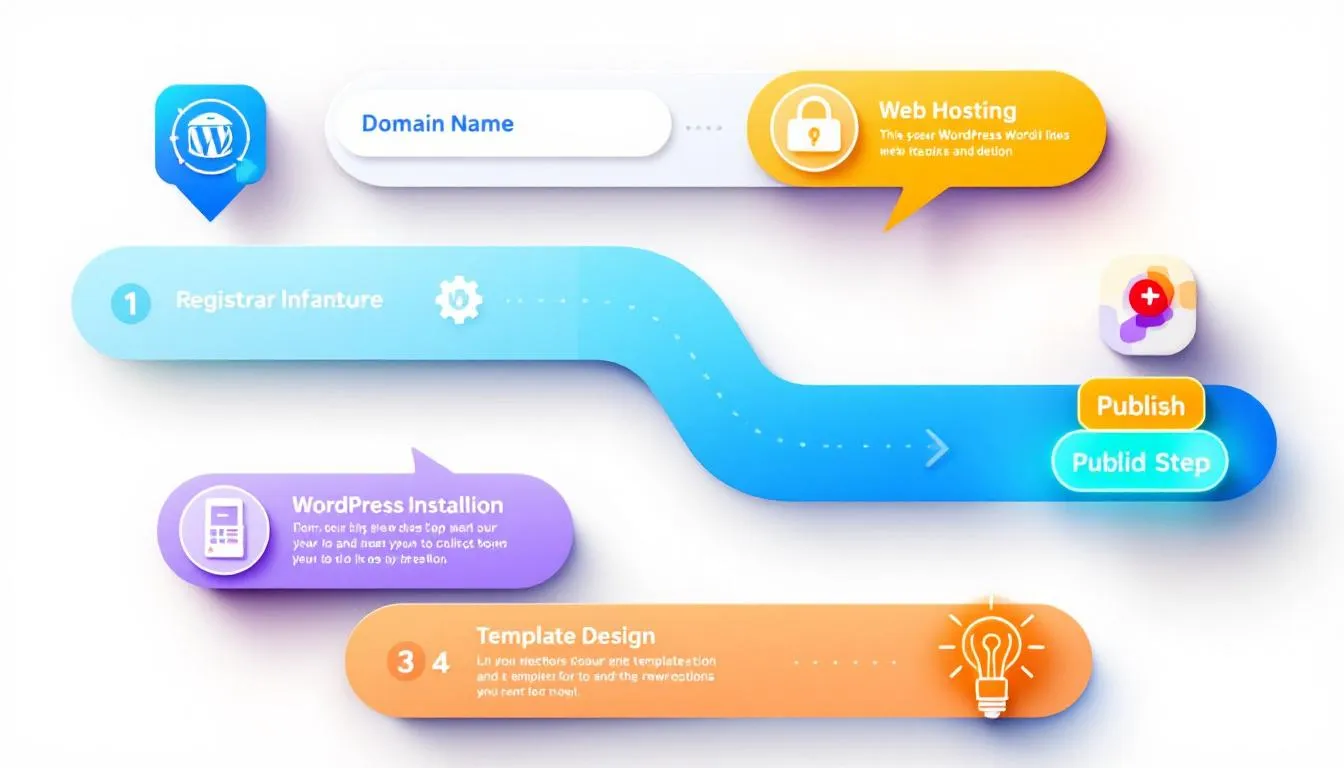
- Pick a domain name (youraddress.com). Pro tip: don’t overthink it.
- Choose a hosting service (Bluehost, SiteGround, whatever fits your budget).
- Install blogging software (WordPress is king, though Blogger and Ghost exist).
- Set up a design. Templates are fine. Fancy custom designs can wait.
- Plan your content. Figure out your target audience. Who are you actually writing for?
Forget perfection. Just start. Most blogs flop because people never publish that first blog post. Don’t be that person who spends six months picking fonts but never hits “publish.”
Blog Content: the secret sauce
The truth bomb: without blog content, your blog is just an empty shell.
But content isn’t just words thrown onto web pages. It’s relevant content written for your target audience, optimized with keywords (yes, SEO matters). A successful blog balances:
Want traffic? You’ll need to conduct keyword research (tools like Ahrefs or Semrush help). Want engagement? Write in a conversational style. Want authority? Back up your claims with data or stories.
(Side rant: stop obsessing over “perfect SEO scores.” Blogs don’t rank because Yoast turned green. They rank because they’re genuinely helpful AND optimized. Big difference.)
Blog Stand: making your blog stand out in a crowded world
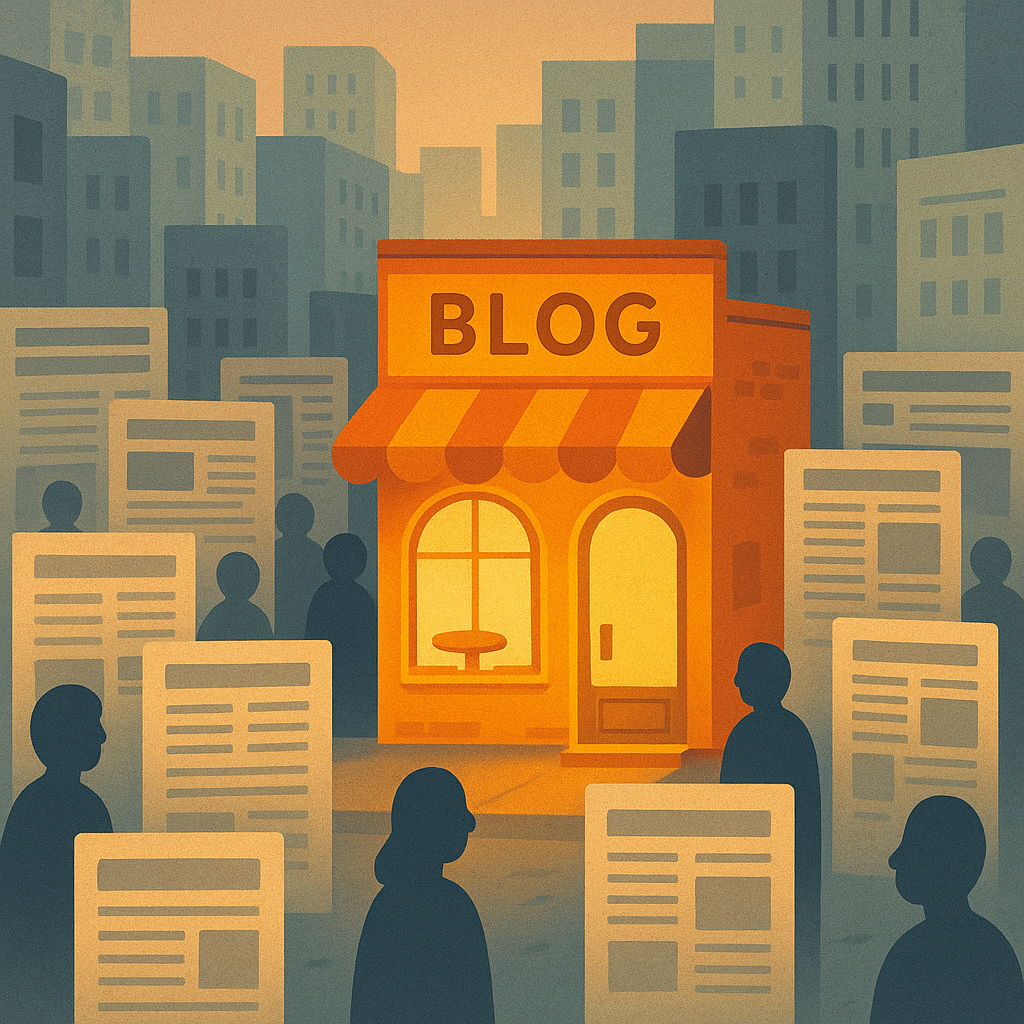
There are millions of blogs. No, literally—over 600 million blogs on the world wide web. So how the heck do you make yours stand out?
Your blog should feel like walking into a well-organized but cozy space. Not a cluttered mess, not a sterile boardroom. Somewhere people actually want to hang out.
Attract Visitors: the eternal struggle
You hit publish. You wait. You refresh analytics 47 times. Crickets.
Welcome to blogging. Attracting visitors takes work. Some tried-and-true strategies:
(Confession: I used to think “if I write it, they will come.” Spoiler: they didn’t. I had to actually promote my blog. Painful lesson, but worth it.)
Monetization (because let’s be honest, you’re curious)
Not every blog needs to make money. But if you’re thinking, “hmm, could this blog pay for my coffee habit?” the answer is: yes, eventually.
Ways bloggers make money:
Just… don’t try to monetize on day one. Build your blog first. Earn trust. Then think about slapping ads or affiliate links on your posts.
The Blog Community Vibe
One of the underrated parts of blogging? The community.
Blogs aren’t just about pumping content into the void. The best blogs create conversations. Readers comment, share, argue, laugh. Other bloggers link back to you. You build an audience that actually cares.
And yes, you’ll run into trolls. But you’ll also find people who become legit friends, collaborators, even customers. That’s the magic of building your own little online corner.
Conclusion: so, what’s the definition of a blog today?
A blog is whatever you make it. At its core, it’s an informational website updated with new blog posts in reverse chronological order. But in practice? It’s a tool. A platform. A megaphone.
Blogs can:
Or just… exist as an online diary, like the early blogs did.
The only rule is: it has to provide something. Otherwise, it’s just another dusty page on the world wide web.
