

Originality AI vs Quetext: Which Plagiarism Checker is Best?
Let’s not sugarcoat it—plagiarism is messy, and AI generated content made it ten times messier.
Back in the day, plagiarism checkers only had to deal with students copy-pasting from Wikipedia or content writers “borrowing” sentences from top-ranking web pages.
Now? We’ve got AI writing tools like ChatGPT, Jasper, and Claude pumping out essays, research papers, and blog posts faster than you can say “academic integrity.”
And that’s where tools like Originality AI and Quetext step in. They’re not just plagiarism checkers anymore. They’re AI detection tools—the digital bouncers of the internet, sniffing out AI generated text and telling you whether your work is original, borrowed, or straight-up machine-made.
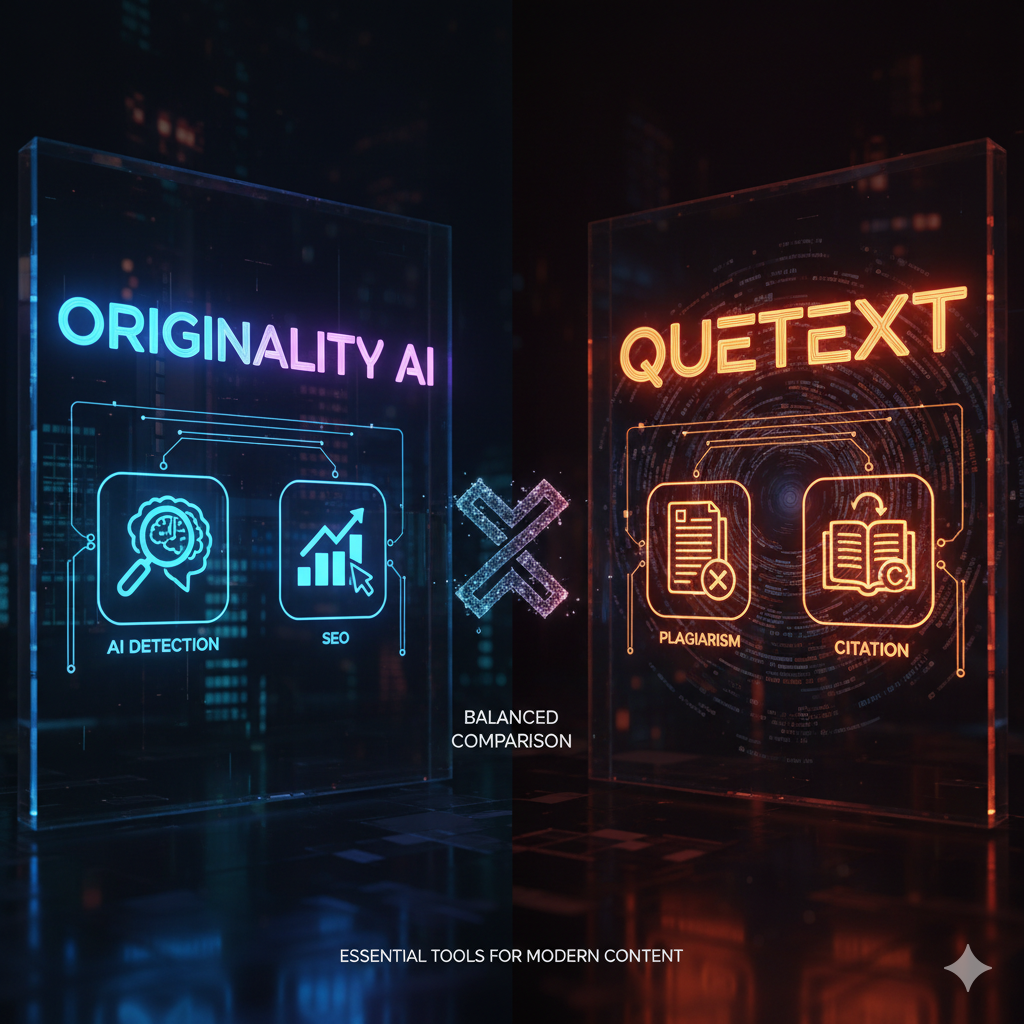
So, who wins the crown in 2025? Let’s pit them against each other.
Why Plagiarism Checkers Still Matter in 2025
Plagiarism detection tools matter because they:

And yeah, sometimes plagiarism isn’t intentional. That’s why plagiarism detection tools and AI plagiarism checkers exist—to save us from accidental plagiarism and to correctly identify when we’re truly original.
(Side note: I once uploaded a blog draft into Quetext, and it flagged a phrase as plagiarized. The phrase? “Content is king.” I mean… come on, of course that’s everywhere.)
Originality AI vs Quetext: Quick Overview
Feature | Originality AI | Quetext |
|---|---|---|
AI Detection | Yes, strong AI detector for AI generated content | Limited AI detection features |
Plagiarism Checker | Advanced, scans millions of sources | Standard plagiarism checker |
Accuracy | High detection accuracy, often used in SEO & publishing | Good for basic plagiarism, weaker on AI content |
Multilingual Support | Supports multiple languages | Mostly English |
Extra Features | Readability checker, site scan, team collaboration | Citation assistant, free plan, DeepSearch™ |
Best For | Agencies, publishers, SEOs, academic use | Students, teachers, freelancers |
Originality AI
If you hang out in SEO or content marketing groups, you’ve probably heard of Originality AI. It’s like the overachiever of plagiarism checkers—built not just to detect plagiarism, but also to detect AI generated content.
Features:
- AI detection scores: Tells you if text is AI generated, AI assisted, or human written.
- Plagiarism checker: Scans against academic papers, web pages, and online publications.
- Readability score checker: Helps improve content quality.
- Site scan: Crawl an entire website for plagiarism or AI created content. For more options, see the best AI productivity tools.
- Unlimited team members: Great for agencies.
Pros
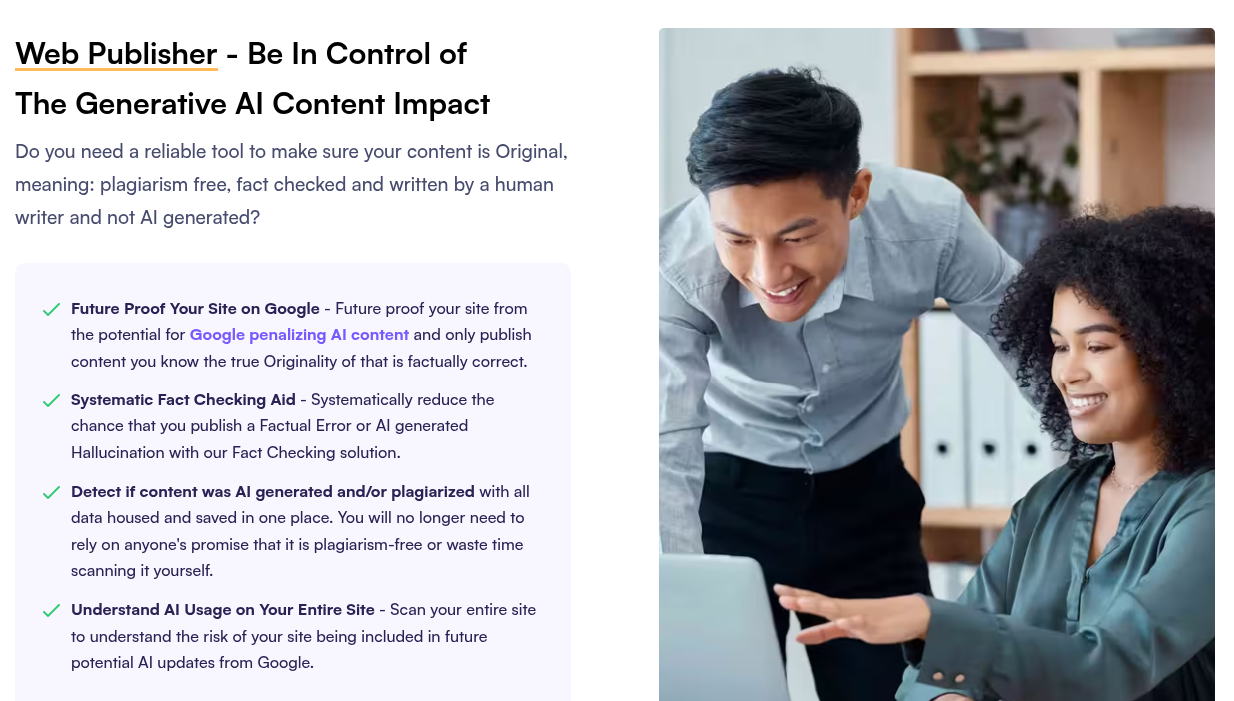
- Super accurate at flagging AI written text.
- Handles both plagiarism detection + AI detection (two birds, one stone).
- Works in multiple languages.
- Generates instant reports with originality scores.
Cons
- Pricey compared to Quetext (no generous free plan).
- Sometimes overzealous with false positives.
- The dashboard feels a little… utilitarian.
(Side note: I once uploaded a human-written case study, and it flagged 18% as AI. Was my client a robot? Nope. Just the quirks of AI detection tools.)
Quetext

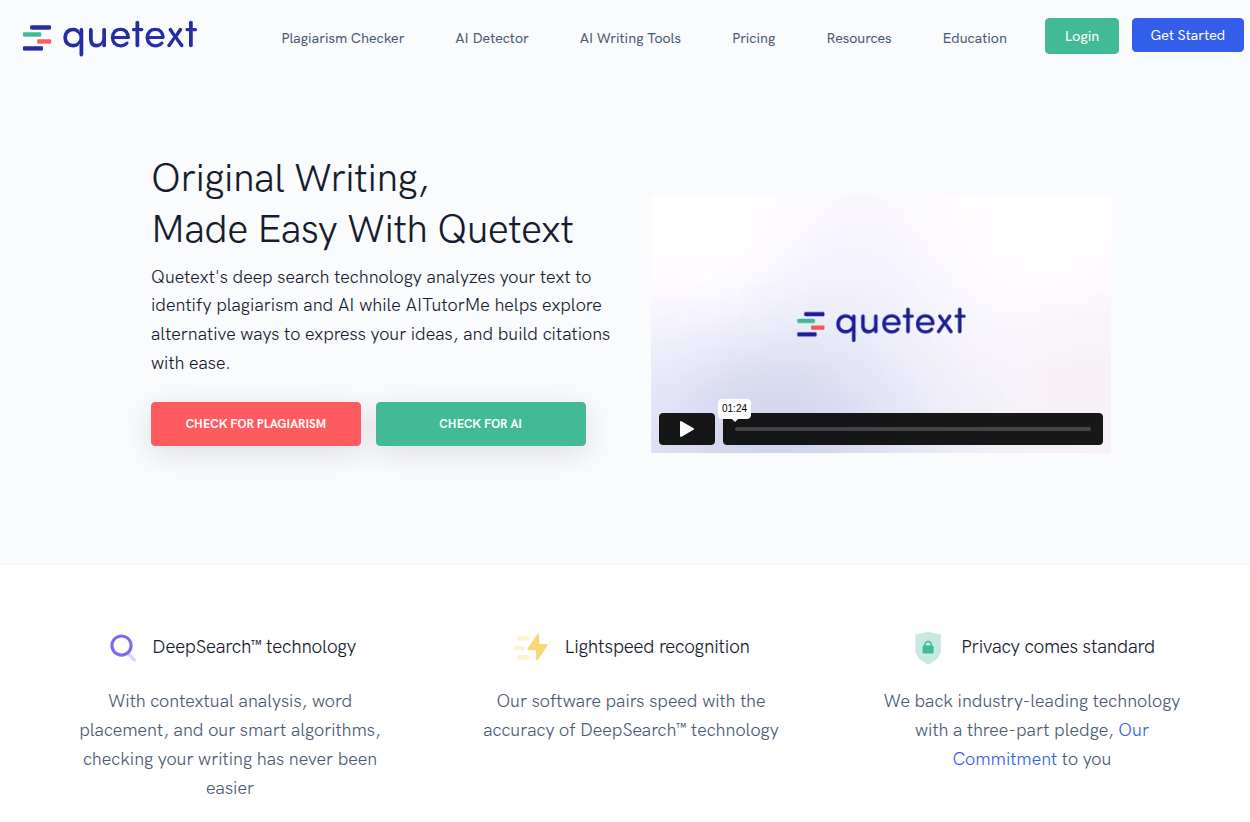
Now, let’s talk about the OG: Quetext. It’s been around for a while, especially popular among students and teachers. Think of it as the friendly neighborhood plagiarism checker—not as flashy as Originality AI, but super approachable.
Features:
- Plagiarism detection with DeepSearch™.
- Citation assistant: Helps you fix sources in APA, MLA, Chicago style, etc.
- Free plan (limited, but handy).
- Percentage score reports that highlight potential plagiarism.
Pros
- Easy to use, beginner-friendly interface.
- Free plan available (Originality AI doesn’t give you that luxury).
- Excellent at helping students with proper citation.
- Affordable for freelancers, writers, and small teams.
Cons
- Weak AI content detection—not built for detecting generative AI text.
- Mostly English-only (no serious multilingual support).
- Less suitable for agencies or publishers with high-volume needs.
(Personal take: Quetext is like Grammarly’s younger cousin—it’s great for school assignments, but I wouldn’t trust it to vet a corporate whitepaper.)
AI Detection Tools: The Real MVPs
Here’s the reality: traditional plagiarism checkers weren’t designed for AI generated text. They were built for copy-paste jobs. But AI written content is different—it’s technically “original” in that it’s generated on the fly, but still not human.
That’s where tools like Originality AI shine. They look for language patterns that scream “robot”—things like:
Quetext? It’s still catching up in the AI content detector game. Great for spotting copied passages. Not so great at saying, “Hey, this essay smells like ChatGPT wrote it.”
Accuracy, False Positives & The Awkward Zone
Both tools can mess up. Let’s be real:
False positives matter because imagine this: you turn in your original writing for an academic journal, and the tool screams “plagiarism!” or “AI generated!” Awkward emails follow. Cue panic.
Content Quality in the Age of AI
Content quality now means more than grammar. It’s about:
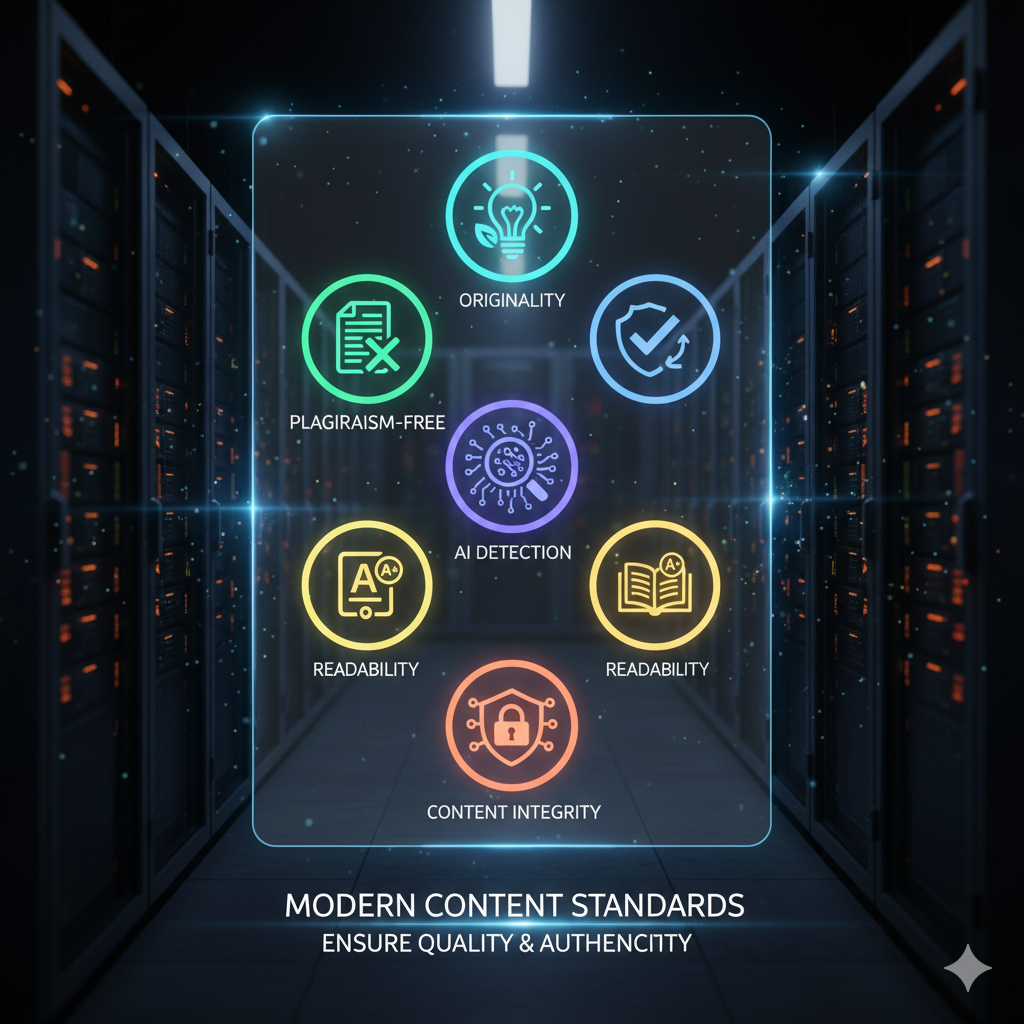
This is where Originality AI’s readability checker actually helps. Quetext? More focused on plagiarism than flow.
If you’re aiming for high quality content that passes both plagiarism detection and AI checks, Originality AI is the safer bet. Quetext will help you cite sources, but it won’t protect you from Google’s AI filters.
FAQs
Q: Can Quetext detect AI generated content?
A: Not really. It’s primarily a plagiarism checker. Its AI detection capabilities are minimal compared to Originality AI.
Q: Is Originality AI accurate?
A: Yes. It’s solid, but like all tools, not flawless. Expect some false positives.
Q: Is there a free plan for Originality AI?
A: Nope. It’s paid-only. Quetext offers a free tier.
Q: Which is better for students?
A: Quetext. Affordable, citation help, easy to use.
Q: Which is better for SEOs or agencies?
A: Originality AI. It’s got team features, site scans, and advanced AI content detection.
Q: Do I still need to learn proper citation styles if I use these tools?
A: Absolutely. Tools catch mistakes, but they won’t make you an ethical writer.
My Final Thoughts: The 2025 Showdown
If you’re a student writing essays or academic papers, Quetext is perfect. It’s affordable, comes with a citation assistant, and helps you avoid accidental plagiarism.
If you’re a content creator, SEO, or publisher? Don’t waste time—Originality AI is the clear winner. It detects AI generated content, catches plagiarism, and even gives you readability scores. Basically, it’s the grown-up in the room.
Both tools have their place, but in 2025, the edge goes to Originality AI for anyone serious about maintaining content quality in the age of generative AI.
(Side note: if you’re relying solely on plagiarism checkers to save your butt, you’re already losing. Write like a human, cite like a pro, and let these tools be your backup—not your babysitter.)
