

The Best Predictive SEO Content Optimization Tool for 2025
SEO is a pain. Not the “stub your toe” kind of pain, but the “Google just rolled out another update, and my rankings tanked overnight” kind of pain.
If you’ve been in the SEO trenches for more than five minutes, you know exactly what I mean.
And here’s where the magic phrase of the day comes in: predictive SEO content optimization tool. Big, clunky phrase, but oh man, if you understand it and use it right, it’s like putting rocket fuel in your content strategy.
This isn’t about stuffing your blog posts with keywords until they read like a malfunctioning robot (we’ve all done it). It’s about using AI + data + a little common sense to not only optimize your content for today but actually predict what your audience will be searching for tomorrow.
Sound like sci-fi? Stick with me.

Predictive SEO Content Optimization Tool — What the Heck Is It Anyway?
Okay, so let’s strip away the jargon.

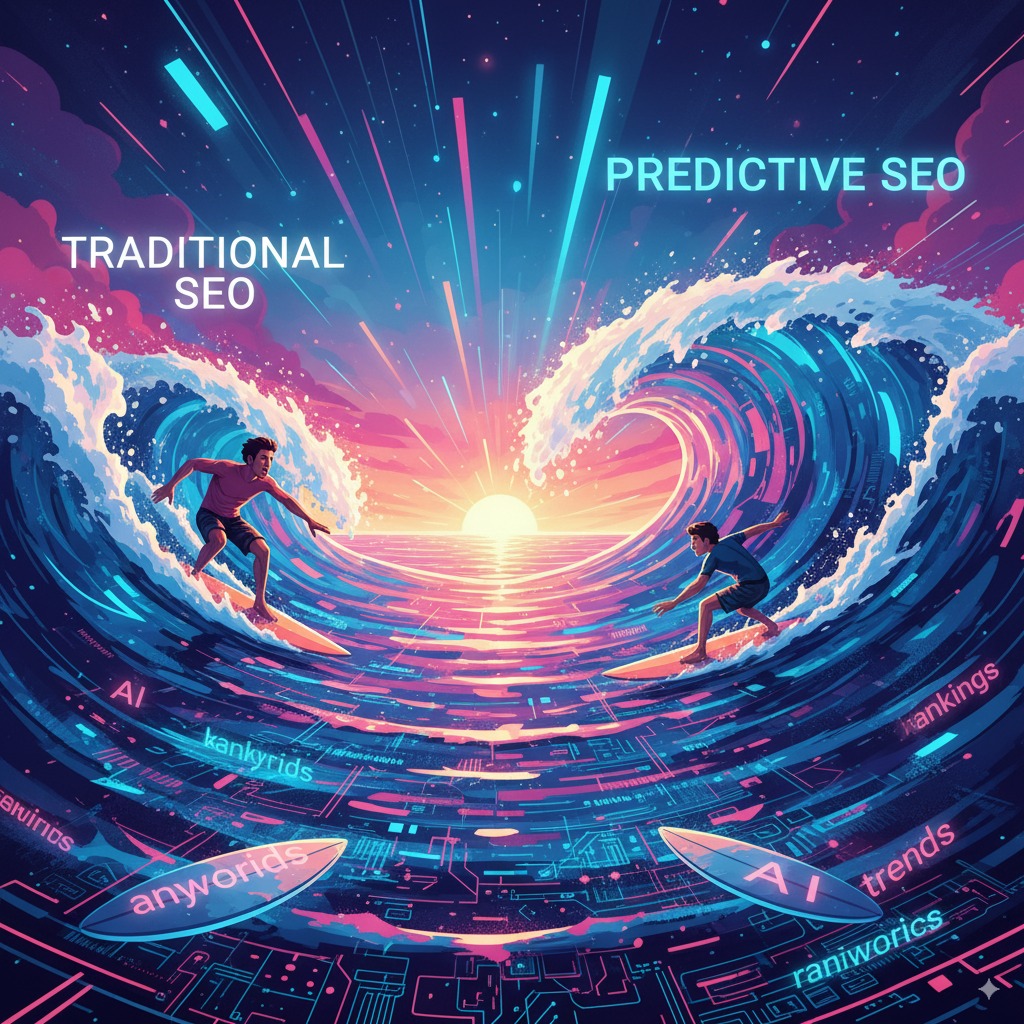
Think of it like investing. Traditional SEO is buying Apple stock after the iPhone launch. Predictive SEO is buying Apple stock when Jobs was still tinkering in a garage.
A predictive SEO content optimization tool is the weapon that helps you do this. It crunches data (historical, seasonal, competitor, behavioral), and says, “Hey, people are gonna start searching for this thing in a month—better write about it now.”
Some tools even use natural language processing (fancy AI tech that reads text like a human) to tell you how to phrase your content so Google thinks, “Yep, this is exactly what people are looking for.”
Side note: Don’t confuse “predictive” with “psychic.” No, these tools won’t tell you who wins the Super Bowl. But they’ll give you a damn good shot at riding the next keyword wave.
Why Content Optimization Still Matters (And Always Will)
Before we dive into tools, let’s get one thing straight: content optimization isn’t optional.
Sure, you can slap together a 300-word blog post, sprinkle in a keyword, and hope for the best. But if you’re serious about ranking in 2025 and beyond, you need to optimize like your life depends on it.
Here’s why:
Optimization isn’t just “add more keywords.” It’s:
Predictive tools help here by showing you what to optimize for before the trend spikes.
How Search Engines (and Google Specifically) Are Changing

Let’s talk about the elephant in the room: Google.
Google’s algorithm isn’t static. It’s constantly shifting, mutating, throwing SEOs into chaos. Remember the Helpful Content Update? The Core Web Vitals drama? Yeah. If you’re still doing SEO like it’s 2012, you’re toast.
Predictive SEO shines here because it doesn’t just optimize for today’s algorithm—it helps you build resilience for tomorrow’s changes.
Quick example:
See the difference? It’s like surfing. Traditional SEO catches waves late. Predictive SEO has you paddling before the swell hits.
The Big Guns: Best Predictive SEO Content Optimization Tools
Alright, enough theory. Let’s talk tools. The ones that actually make this work.

Here’s my short list of the ones worth your time (and money):
1. Surfer SEO

Ah, SurferSEO. The darling of SEO Twitter. If you haven’t tried it yet, you’re missing out.
Key Features:
- Content Editor that tells you exactly what to include (keywords, headings, word count, NLP terms).
- SERP Analyzer that compares your draft with top-ranking pages.
- Keyword research baked in.
- Predictive edge: analyzes what’s gaining traction before competitors notice.
Pros
- Super intuitive. Even junior SEOs can use it.
- Deadly accurate keyword usage recommendations.
- Integrates with Google Docs (I love this one).
Cons
- Can feel too prescriptive (don’t let the tool kill your creativity).
- Pricey if you’re just starting out
Side note: I’ve ranked posts using nothing but Surfer’s recommendations in under 2 weeks. Not typical, but damn satisfying.
2. MarketMuse

MarketMuse is like Surfer’s nerdy older brother. Less flashy, more data-heavy.
Key Features:
- Insane depth on content scoring (content quality scores, topical authority analysis).
- AI-powered suggestions for what topics you should cover next.
- Predictive keyword and topic modeling.
Pros
- Fantastic for large content teams.
- Helps you build long-term topical authority.
- Gives you predictive insights into “content gaps” your competitors will miss.
Cons
- Overwhelming for solo bloggers.
- Expensive as hell.
3. Clearscope

If you’re an agency or a pro content marketer, you’ve heard of Clearscope. It’s basically the “luxury car” of content optimization.
Key Features:
- Beautifully clean interface.
- Keyword & topic optimization recommendations.
- Works directly in Google Docs.
- Predictive: keyword suggestions that match emerging search intent.
Pros
- Lightning-fast insights.
- Clients love the reports.
- Minimal learning curve.
Cons
- Pricey (yep, again).
- Doesn’t go as deep into predictive modeling as MarketMuse.
4. Frase

Frase is one of my personal favorites because it’s built for content creators who need to move fast.
Key Features:
- AI-powered content briefs in minutes.
- SERP analysis + predictive keyword suggestions.
- Q&A research (what people are asking online).
Pros
- Affordable compared to others.
- Great for freelancers, coaches, solopreneurs.
- Predictive features highlight future queries from forums/Quora/Reddit.
Cons
- Some of the AI drafts feel robotic (don’t publish without edits).
- Not as robust as Surfer or MarketMuse.
5. SEMrush Content Marketing Platform

SEMrush isn’t just an SEO tool; it’s a whole damn ecosystem. But its content optimization tool is sneaky good.
Key Features:
- Topic research tool (predictive edge: shows trending subtopics).
- SEO Writing Assistant with real-time scoring.
- Keyword analytics + predictive keyword trend data.
Pros
- All-in-one platform (you don’t need 5 tools).
- Great integration with paid ads + social.
- Predictive insights layered on top of its massive keyword database.
Cons
- Overwhelming dashboard.
- You’ll pay for features you might not use.
Why Predictive Beats Reactive SEO
Let’s pause here.
Why bother with predictive SEO at all? Why not just stick with traditional optimization?
Because:
Predictive SEO means you’re not just chasing traffic—you’re setting traps for it.
Quick Tips for Using Predictive SEO Tools Like a Human (Not a Robot)
- Don’t over-optimize. If Surfer tells you to use “SEO strategy” 27 times, maybe… don’t.
- Use your brain. Tools give data. You add the human judgment.
- Stay flexible. Predictive insights aren’t gospel—they’re probabilities.
- Mix tools. Honestly, I use Surfer + Frase + Google Trends. Works like a charm.

FAQs — Because I Know You’re Gonna Ask
Q: Do I really need a predictive SEO content optimization tool?
A: If you’re serious about long-term rankings, yes. If you’re just dabbling, you can start with free stuff like Google Trends and Search Console.
Q: What’s the best tool for small businesses or solo bloggers?
A: Frase. Hands down. Affordable, easy to use, doesn’t overwhelm.
Q: Which tool gives the most predictive insights?
A: MarketMuse. But it’ll cost you.
Q: Can I just use ChatGPT for SEO instead of these tools?
A: LOL. No. GPT can draft content, sure, but it doesn’t integrate with live keyword trend data the way these SEO tools do. Use both.
Q: Free plans worth using?
A: Yep—Google Search Console, Google Trends, Ubersuggest (limited but free).
Final Thoughts
Look, SEO is messy. Google’s moody. And content marketing is way more competitive than it was even two years ago.
If you’re still only optimizing for today’s keywords, you’re behind. The best SEO pros I know are already using predictive SEO content optimization tools to plan their content calendars six months out.
Pick one tool, start experimenting, and don’t get paralyzed by choice. My advice? If you’ve got budget, try Surfer or MarketMuse. If you’re scrappy, grab Frase or Clearscope.
And hey—remember to actually write good content. No tool will save garbage writing.
