

Essential SEO Optimization Best Practices for Improved Search Rankings
Let’s be real for a sec: SEO can feel like an endless hamster wheel. Google tweaks an algorithm, marketers scramble, rankings dance around like a drunk uncle at a wedding… and everyone’s left wondering, “What the hell do I focus on now?”
I’ve been in the trenches of search engine optimization long enough to know two things:
Shiny new hacks come and go.
The fundamentals—the actual SEO optimization best practices—stick.
So if you’re a website owner, SaaS founder, coach, or just someone trying to make your WordPress site climb up those search engine results pages (SERPs) without losing your mind, this one’s for you.
I’ll walk you through 10 essential SEO practices—the ones that actually move the needle, not the fluff some “growth hacker” tweets about while sipping a $12 latte. And yeah, I’ll sprinkle in side notes, personal takes, and a few “don’t do this unless you hate traffic” warnings.
Sound good? Cool. Let’s dive in.
1. Keyword Research: Stop Shooting in the Dark
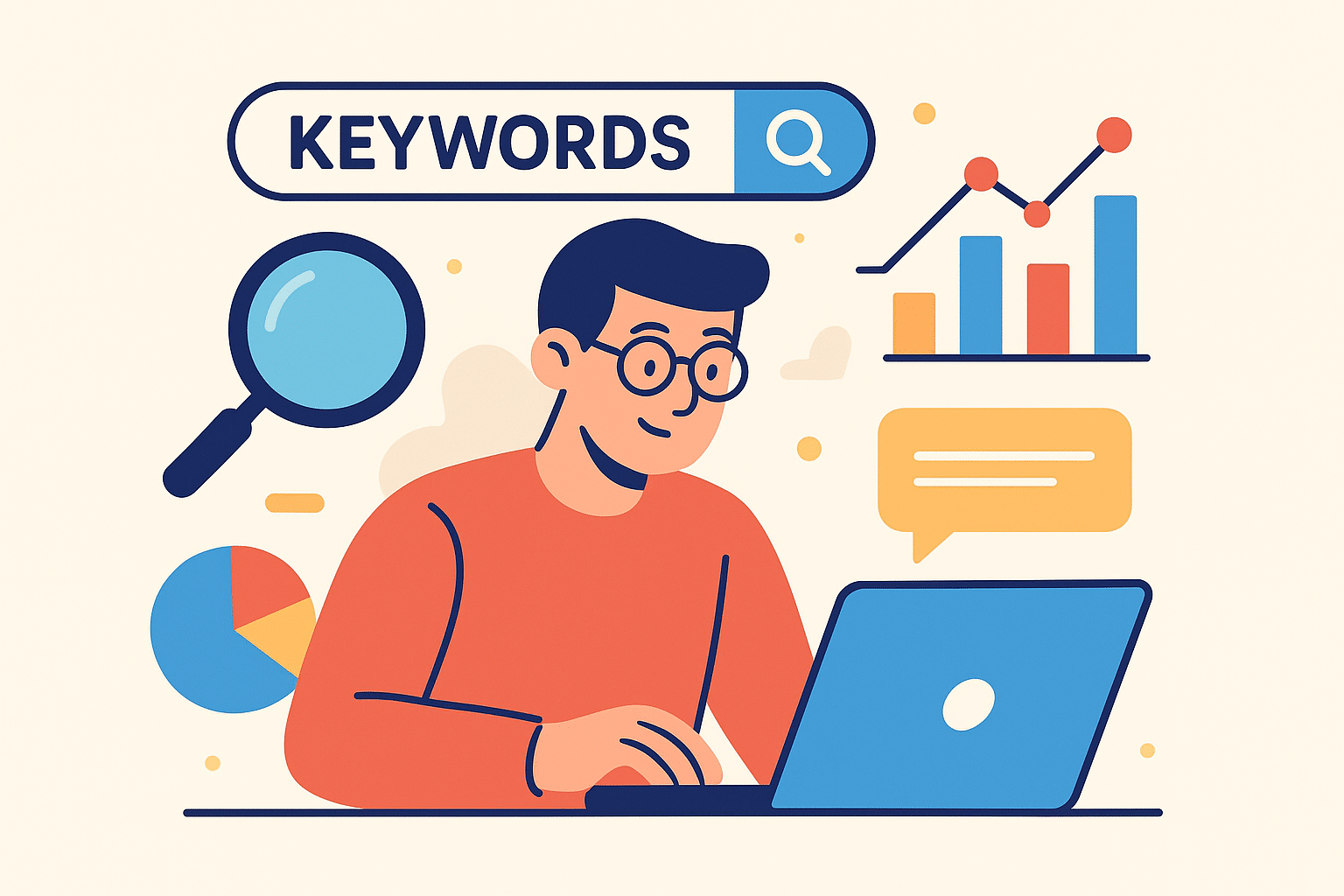
You know that saying, “If you aim at nothing, you’ll hit it every time”? That’s what doing SEO without keyword research looks like.
Keyword research is basically spying on what your audience is already typing into Google. And listen, it’s not just about stuffing your site with every primary and secondary keyword you can find. (Seriously, keyword stuffing is so 2008. Google’s smarter now—don’t treat it like a fool.)
How I approach keyword research:
👉 Side note: Don’t get seduced by vanity keywords like “SEO.” Sure, ranking for that would be cool, but unless you’ve got the budget of HubSpot, focus on terms you can realistically win.
2. On-Page SEO: The Basics You Can’t Ignore
Ah, on-page SEO—the stuff you do have control over. Honestly, too many site owners obsess over backlinks before they’ve nailed their own damn web pages.
Here’s the checklist I run for every page:
👉 Pro tip: Write your title tags like mini billboards. If they don’t grab attention, no one’s clicking, no matter how high you rank.
3. High-Quality Content: Obvious, But Often Ignored

Let’s cut through the noise: content is still king. Yeah, I know, you’ve heard it a million times. But here’s the kicker—most blog posts out there are straight-up garbage. Fluffy, keyword-stuffed, soulless junk.
If you want to win, you need high-quality content that does three things:
- Answers the damn user queries.
- Keeps people on the page (Google notices when they bounce).
- Feels human—because people can sniff out BS faster than you can say “SEO guru.”
My rule of thumb:
👉 Side note: Google’s E-E-A-T guidelines (Experience, Expertise, Authoritativeness, Trustworthiness) aren’t just buzzwords. If you’re not showing real authority, good luck climbing the rankings.
4. Core Web Vitals: Because Speed Matters
If your site loads slower than dial-up, people bounce. End of story.
Google measures your site’s health with Core Web Vitals—fancy metrics for speed, interactivity, and visual stability. In plain English:
👉 Tools I swear by: PageSpeed Insights and Search Console’s Core Web Vitals report.
If your site owner ignores this, your rankings will tank no matter how good your content is.
5. Fix Duplicate Content: Don’t Confuse Google
Duplicate content is like showing up at two parties in the same outfit. Confusing, embarrassing, and makes people question your originality.
👉 Side note: A lot of WordPress sites accidentally create duplicate content with category/tag pages. Clean that mess up.
6. Google Search Console: Your Free Spy Tool

If you’re not using Google Search Console, you’re basically flying blind. This free tool shows you:
👉 Use it like your car dashboard. Don’t ignore the red warning lights (a.k.a crawl errors).
Check out Google Search Console here.
7. Internal Links: Underrated SEO Juice
Think of internal links as little trails guiding both your users and Google’s crawlers. Done right, they:
👉 Pro tip: Use descriptive anchor text. Don’t just link with “click here.” That’s SEO suicide.
8. Link Building: Quality > Quantity
Okay, let’s talk link building—the most abused and misunderstood part of SEO.
Yes, backlinks still matter. No, spamming 500 directories won’t help you.
What actually works in 2025:
👉 Side note: I once had a client brag about buying 10,000 backlinks for $50. Guess what happened? Their website’s visibility tanked harder than MySpace. If you're looking to boost your online presence for affiliate marketing, check out these Powerful Affiliate Marketing Tips to get Money Fast instead.
9. Alt Text & Image SEO: Small Thing, Big Impact
Image SEO often gets ignored, but here’s the deal: images aren’t just decoration. They can drive Google search results traffic via image search.
How? By using proper image alt text and filenames.
👉 Example: instead of IMG123.jpg, use seo-best-practices-chart.jpg.
10. Measure, Adjust, Repeat
Here’s the harsh truth: SEO isn’t a “set it and forget it” game. It’s like going to the gym—if you stop, you lose progress.
That’s why tracking is non-negotiable. My go-to stack:
👉 Pro tip: Don’t obsess over vanity metrics (like impressions). Focus on what actually matters: traffic that converts.
The Elephant in the Room: Keyword Stuffing
Let’s call it out—keyword stuffing is still happening in 2025. And it’s still a dumpster fire.
If your blog posts read like:
“SEO optimization best practices are the best SEO practices for website owners who want SEO practices to rank SEO content in search engine results”…
Congrats, you’ve just written content no human (or algorithm) will respect.
Write for people. Sprinkle relevant keywords naturally. If it feels forced, you’re doing it wrong.
Wrapping It Up
So there you have it: my 10 SEO optimization best practices that actually matter. Not hacks, not gimmicks—just the fundamentals that help search engines understand your site, keep users navigating happily, and push you higher in those coveted Google search results.
If you’re a site owner or marketer, here’s my advice:
- Stop chasing trends.
- Nail the basics.
- Keep learning, because Google’s not slowing down.
And hey, if you ever feel lost? Open up Google Search Console, look at what’s working (and what’s broken), and adjust your SEO strategy. That free dashboard has saved my butt more times than I can count.
Now, go optimize those web pages, fix those broken links, and start creating content that actually deserves to rank.
Because in the end, SEO isn’t about tricking Google—it’s about building something useful enough that other sites want to link to it, and users actually stick around.
